Mint Mobile Family Plans Cut Monthly Costs by Up to $40
Mint’s updated family plans charge $30 for the first line and $20 for each additional line, with up to five users billed quarterly.
Cybersecurity threats, protection strategies, and best practices
Found 109 articles
Mint’s updated family plans charge $30 for the first line and $20 for each additional line, with up to five users billed quarterly.
US iGaming growth hit a record low of 12% in Q3, while Fanatics gained ground and sportsbook handle rose 7%.
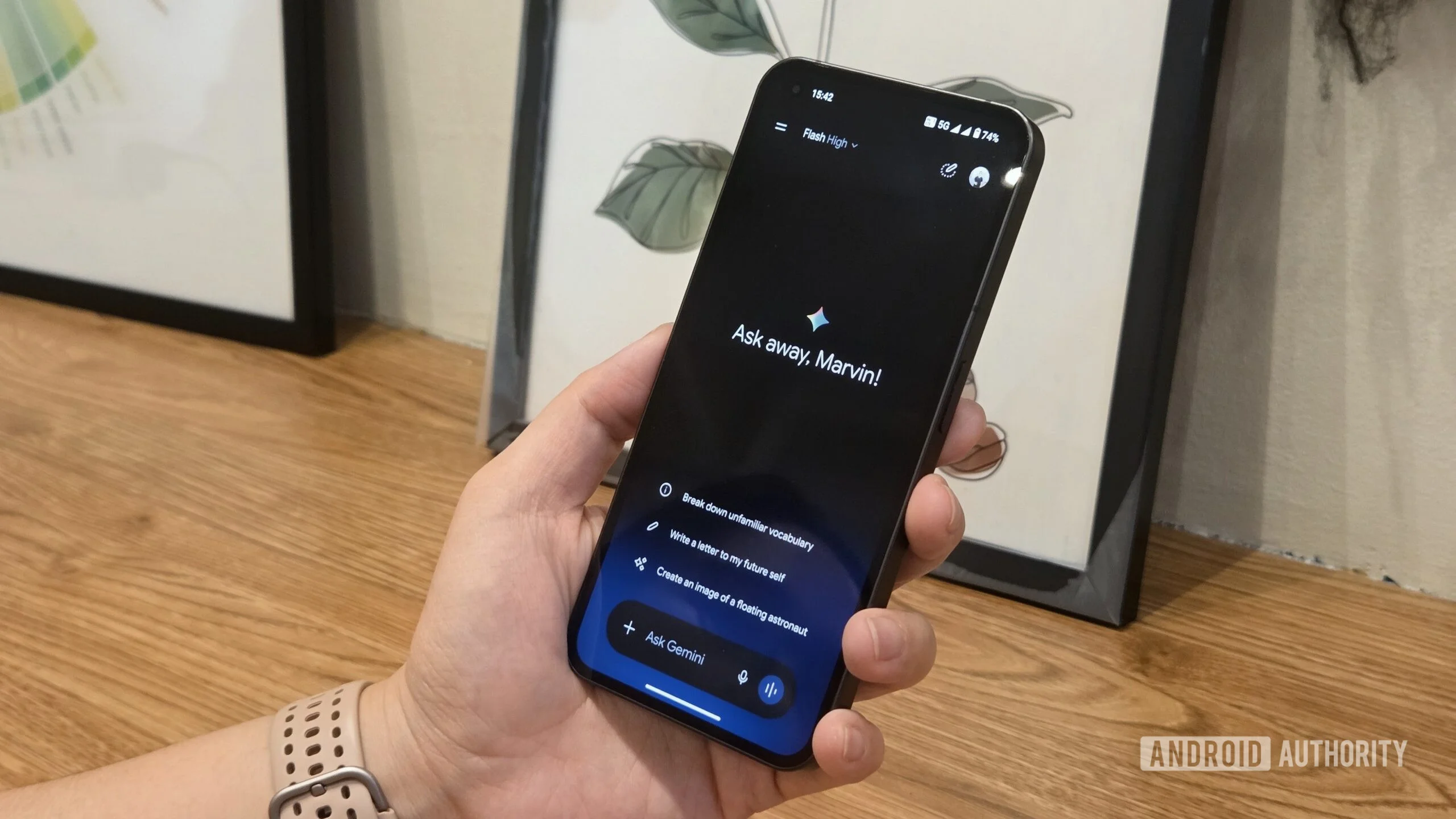
Gemini’s Android integration keeps it useful, even after a $5 AI Plus plan’s 400GB storage and Pro model access stopped adding up.
Fitbit Edge adds an AMOLED screen to the lighter Air. The key question for buyers: does its health tracking justify the $80 premium?
DKeX reached a 3.57% market share within months, despite offering event contracts in fewer states than its larger rivals.
The companies will resell each other’s security-focused artifacts, addressing gaps in container hardening as AI expands software dependencies.
Reports rose 48% from Q2 to Q3 2026, with October incidents suggesting the trend continues and new disclosure rules potentially adding visibility.
Two PHP engine flaws are reportedly under active attack after technical details leaked ahead of an October 21, 2026, security release.
AI coding agents pose security risks; containerization can limit their access and protect sensitive data while ensuring effective functionality.
Seven sportsbook operators must explain how AI shapes customer targeting, promotions and safeguards against harmful gambling behavior.
Recorded Future's relocation to downtown Boston marks a significant evolution for the company, highlighting its rapid growth and dynamic culture.
Russia's escalating internet restrictions increase operational risks for individuals and organizations, complicating digital communication and data management.
Recent research uncovers TAG-193's targeted cyber-espionage activities against Central Asian governments, revealing strategic interests in diplomacy and resources.
A clean scan only covers known vulnerabilities. Image trust also depends on its contents, provenance, signing identity and build process.
September 2026 saw a 29% rise in cyber vulnerabilities, with 94 risks, including critical zero-day exploits, demanding immediate organizational attention.
Malware indicators of compromise (IoCs) are pivotal for cybersecurity, but their efficacy increases when supported by contextual threat intelligence.
Recorded Future's AI Infrastructure Indicator Lists provide essential data for identifying and managing AI-related risks within organizations.
Container image signing is crucial for verifying authenticity and integrity in CI/CD pipelines, ensuring only trusted artifacts are deployed.
Rep. Don Davis' new bill aims to prevent federal candidates from trading contracts tied to their elections, responding to recent controversies.
Maine's online casino landscape is in limbo, as proposed rules are under public review and a legal dispute hangs over tribal exclusivity.