Why I Canceled Google AI Plus but Still Use Gemini
Convenience is Gemini’s strongest feature
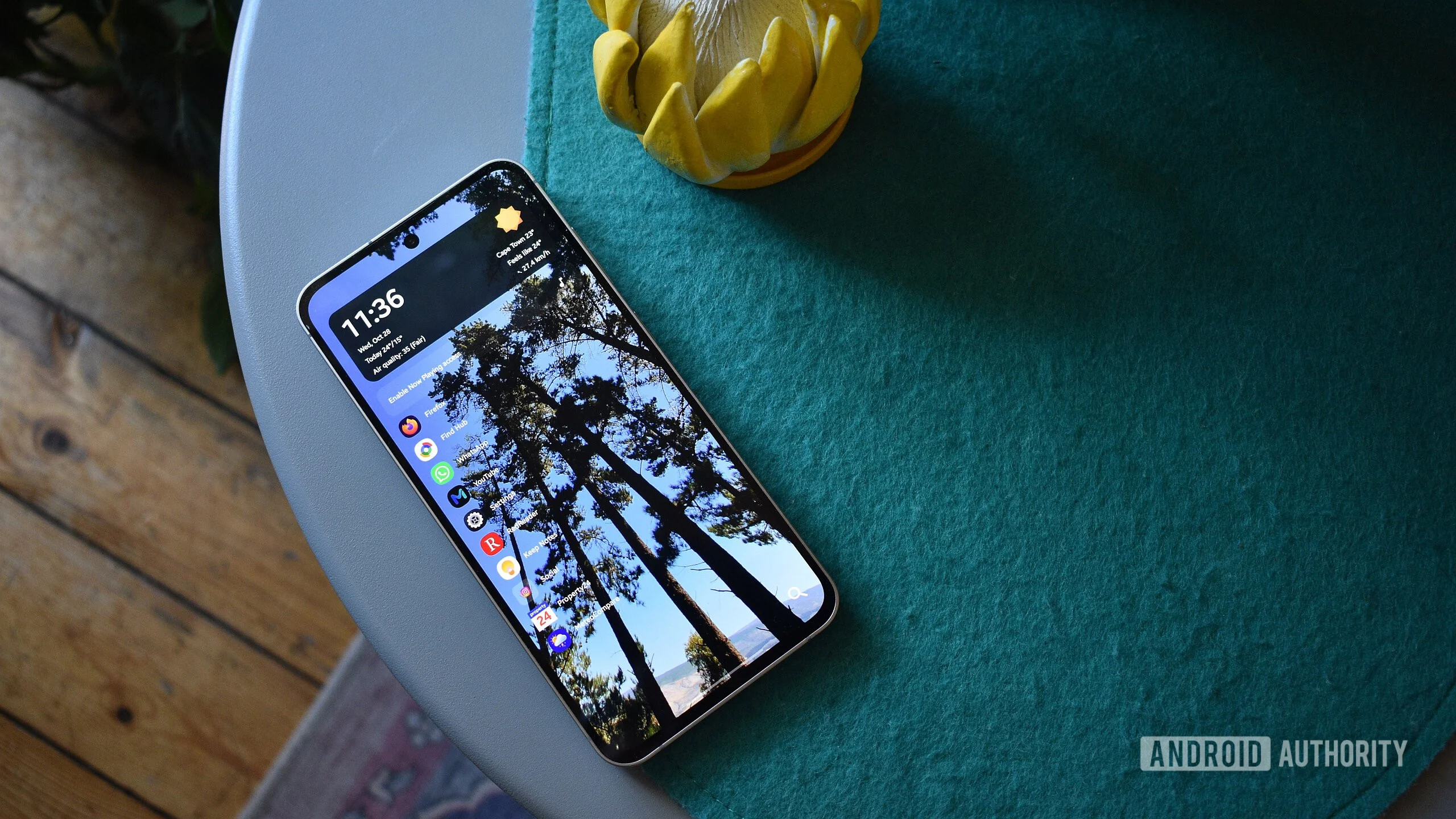
Gemini remains part of my routine because it’s easy to reach on Android. I use it to learn skills and summarize concepts, while features such as Circle to Search and Gemini Live make it more accessible than the other chatbots I’ve tried. That convenience shapes how I judge the product: I don’t need to make a separate decision to open a chatbot every time a question comes up. The assistant is close at hand, and that can make small, useful interactions feel like a natural part of using a phone.
There’s a practical distinction between being available and being indispensable. An assistant that’s easy to reach may help with a quick explanation, a first pass at a new subject, or a summary when you’re trying to get oriented. Those tasks don’t always require the most capable model. They do require an answer that’s understandable and a tool that doesn’t add much friction. Gemini’s place in my routine comes from that combination, rather than from a claim that it’s best at everything.
Circle to Search and Gemini Live also point to two different ways of making an assistant useful. One can bring a question into the context of what’s already on screen; the other makes interaction feel more conversational. Accessibility here isn’t only about adapting a product for a particular need. It’s also about reducing the steps between noticing something and asking about it. (And this is the part most people overlook.) A feature can matter because it changes when people choose to use an assistant, even if it doesn’t change the quality of every answer.
That everyday utility wasn’t enough to keep me subscribed to Google AI Plus. I signed up earlier this year for higher Gemini usage limits and 400GB of shared Google One storage, paying $5 a month. The Pro model gave me more thorough, better-researched answers than Flash or Flash-Lite, so I used it whenever I could. But the plan’s appeal has faded; I canceled the subscription and kept using Gemini.
Better answers don’t automatically justify a subscription
The difference I noticed between Pro and the lighter models mattered. More thorough answers can be useful when a topic takes some explanation, or when a short response would leave too much of the reasoning implicit. A model that does more of the work in one answer can save time and make a tool feel more dependable for learning. I preferred Pro for those tasks, and that preference explains why the subscription initially made sense to me.
But a model’s quality is only one part of a subscription’s value. The higher usage limits matter most to people who regularly hit the limits of an included or free tier. If you don’t run into those constraints, extra capacity may be difficult to value, even when it’s available. Storage is a separate consideration: 400GB of shared Google One storage could be useful to someone who needs it, but its presence in a bundle doesn’t make the whole plan worthwhile for every subscriber.
That’s the tension in this experience. The subscription bundled benefits I could identify, yet the reasons to pay didn’t remain strong enough for me. A better model can be an upgrade without becoming a daily necessity. And a service can be useful enough to keep using while its paid tier stops making sense. A modest monthly price still adds up as a recurring expense; the relevant question is whether the benefits fit the subscriber’s habits, not whether each feature sounds valuable on its own.
My choice wasn’t a rejection of Gemini. I canceled the paid plan and kept the assistant in my routine. That distinction matters because it separates the product’s everyday usefulness from the case for paying for a bundle. A free or lower cost way to access an assistant can retain much of its appeal if the paid features are occasional rather than essential.
What the decision says about AI subscriptions
For AI services, subscriptions often have to answer a harder question than whether a model can produce a better result. They need to show that the improvement recurs often enough to justify a recurring payment. Higher limits, access to a more capable model, and bundled storage serve different needs. Combining them may make a plan attractive to some users, but a bundle can also leave a subscriber paying for benefits they don’t use consistently.
This is more significant than it looks: the assistant can win a place in someone’s routine without winning a permanent place in their budget. For people comparing plans, the useful test is concrete. Do you regularly need the higher limits? Do you rely on the more thorough answers for work or learning? Would the included storage be valuable even without the AI features? If the answers are mostly no, the convenience of the assistant may survive cancellation.
If you’re working in this space, that’s a reminder that easy access and paid retention aren’t the same measure of success. A product may be pleasant to use while its subscription remains optional. The task for a paid tier is to make its added value clear in the customer’s actual routine, not just in a feature list. Here’s the thing: people can appreciate a stronger model and still decide they don’t need to pay for it every month.
I’ll keep using Gemini because it’s within reach and useful for the way I ask questions. I won’t keep paying for Google AI Plus based on benefits that no longer feel necessary to me. Better answers, when I need them. That’s the tradeoff.