Recorded Future's Transition to Boston: A New Chapter for the Tech Innovator
Founded by a group of Swedish scientists, Recorded Future has become a staple in the tech startup ecosystem of Somerville and Boston. Renowned for its award-winning analytics platform and enriching workplace culture, the company has undergone considerable transformation over the years. This shift isn't just about numbers; it reflects a broader trend toward leveraging artificial intelligence and machine learning for data analysis and threat intelligence.
The Rise of Recorded Future
Recorded Future's journey began in an unconventional setting: a laundromat in Somerville. This choice of location is more than just quirky; it speaks to the startup culture of Boston, a region known for its resourcefulness and innovative spirit. The team capitalized on emerging technologies to create a platform that analyzes vast amounts of data, offering businesses insights that help them anticipate and respond to cyber threats.
The company's focus on threat intelligence is particularly relevant today, as organizations face increasingly sophisticated cyber attacks. Recorded Future's approach combines human expertise with advanced algorithms, allowing it to parse through multiple data sources efficiently, something traditional methods struggle with. This paradigm shift in cybersecurity is increasingly appealing to businesses that need to be proactive rather than reactive. The emphasis on integrating machine learning into their offerings sets Recorded Future apart from competitors still reliant on outdated techniques.
The Move to Downtown Boston
Relocating their headquarters to Post Office Square in downtown Boston marks a significant milestone for Recorded Future. It’s not just a change of address; it's a strategic decision that positions them in a bustling urban hub, a stone's throw from some of the brightest minds in tech and finance.
Post Office Square is more than just a central location; it’s a vibrant community where startups and established enterprises alike can connect and collaborate. By moving to this area, Recorded Future is placing itself at the heart of Boston's innovation ecosystem, where ideas can spark new partnerships. This shift is expected to foster collaboration not just internally, but with other companies and organizational partners in the area.
The new office space accommodates nearly 200 employees, which is a testament to the company's growth trajectory. The relocation also represents a pivot toward creating a dynamic work environment. In an industry where remote work has gained traction, having a physical workspace that inspires creativity and teamwork can be a competitive advantage.
Besides customer success, key operations like data engineering and product development are now centered in this location. This concentration of talent facilitates rapid iteration on products—something critical in a fast-paced industry. You're much more likely to see innovative solutions emerge when teams are physically close, bouncing ideas off one another in real time.
The Growth in Workforce
Since Lacey Maddalena joined in 2019, Recorded Future's growth has burgeoned. The company has expanded from about 300 employees worldwide to now over 1,000. This kind of growth is indicative of a thriving tech startup. However, such rapid expansion also comes with its own set of challenges—scaling a workforce while maintaining a cohesive company culture isn't easy.
Maddalena speaks to the evolving landscape of the company: “When I joined in 2019, we were just 300 worldwide—now the Boston office alone has almost 200 people!” This pace of growth can put pressure on management and HR to ensure that onboarding processes and team cohesion keep up with the speed of expansion.
Similarly, Lisa Cefalo's remark about the end of the “one-person teams” era highlights how collaboration has become essential. As teams grow in size and complexity, the pooling of talent enhances the company's ability to tackle multifaceted challenges, particularly in cybersecurity where threats can be highly intricate. Still, it raises questions about whether the company can maintain the agility that made it successful in the first place.
Implications for the Future
The continuous growth of Recorded Future positions it as a significant player in the analytics and cybersecurity space. Companies that successfully harness technology for both data analysis and threat intelligence tend to gain a strategic edge. For those in the tech industry, this growth trajectory serves as a case study in how physical presence and culture can influence operational success.
However, as Recorded Future pushes forward, it must also consider the sustainability of its workforce dynamics. Retaining talent in a competitive market is crucial. What this means for you, if you're working in this space, is that the emphasis on collaboration and innovation isn't just a nice-to-have attribute anymore; it's a necessity for any company looking to thrive.
That said, the tech community will be watching closely to see how Recorded Future navigates these challenges. Will it maintain its innovative edge while scaling operations? Perhaps the biggest question for Recorded Future, and others like it, will be whether they can cultivate an environment that fosters creativity and agility, even as they grow larger. The next few years will undoubtedly be defining for the company, and for the industry as a whole.

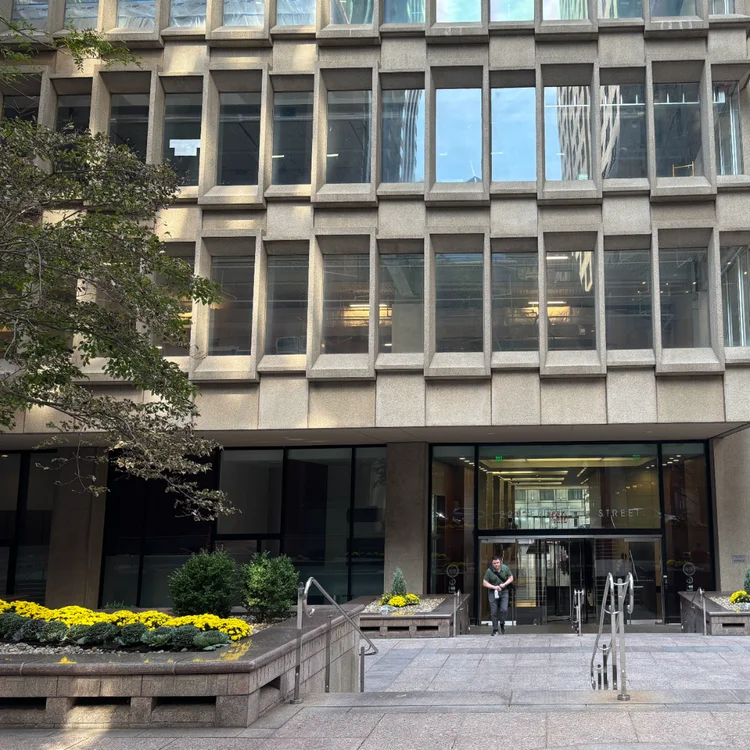
Somerville Office laundromat sign | Boston Office (Current) on Franklin Street