North Carolina’s Proposal to Regulate Candidate Betting on Their Own Races
Rep. Don Davis, representing North Carolina, has introduced the No Betting on Your Own Race Act. This legislation seeks to prohibit federal candidates, along with certain affiliates, from engaging in trading contracts that pertain directly to their own elections. Should candidates violate this rule, they would face civil penalties of $10,000 or triple their net financial gain, whichever amount is higher, as reported by Quartz.
The initiative focuses on restricting the actions of the candidates and their immediate family members instead of imposing fines on prediction-market platforms. The expected outcome is to provide candidates with clear statutory guidelines governed by enforceable minimum penalties.
Scope of the Ban
This bill primarily targets federal candidates, as well as their spouses, dependent children, and authorized campaign committees. Under this restriction, those individuals would be barred from buying, selling, acquiring, or holding contracts linked to their electoral races. Such measures are not merely arbitrary; they aim to prevent conflicts of interest and ensure that the integrity of federal elections remains untarnished. By banning betting on one's own election, the bill seeks to eliminate any self-serving motivations that candidates might have to manipulate outcomes to their financial benefit.
Moreover, the legislation stipulates that candidates receive notifications about this prohibition during their filing periods. This requirement ensures that candidates are aware of the regulations as they prepare for their campaigns, rather than discovering potential violations only after having engaged in controversial trades. Providing candidates with this information upfront adds another layer of transparency and fairness to the election process, which is often criticized for being murky and filled with loopholes.
Triggering Events: The Kalshi Case
The backdrop for Davis's proposal includes a recent controversy involving Laurie Buckhout, a Republican rival in North Carolina's 1st Congressional District. Buckhout's participation in trading contracts associated with her own race prompted scrutiny. She addressed the situation by settling with Kalshi, the trading platform, paying out nearly $2,600 and enduring a three-year suspension as a result. Buckhout characterized her actions as a mistake, expressing intent to rectify the error once it came to her attention. However, the incident raised broader questions about the ethical implications of candidates engaging in financial speculation related to their own political futures.
Davis did not hold back his criticism of Buckhout's trades, labeling them a breach of public trust through a post on X. His proposed legislation aims to establish a concrete civil penalty for activities that breach these proposed guidelines, shifting accountability away from the trading platforms to a federal statute. This move is significant because it places direct responsibility on candidates, compelling them to uphold ethical standards in their electoral conduct.
The proposal also highlights a notable shortfall in current congressional regulations. Earlier this year, a Senate resolution implemented a ban on prediction-market trading for sitting senators and their staff, but did not extend to candidates who are not incumbents. Although several initiatives have been tabled to fill this regulatory gap in the House, none have been passed yet. This discrepancy suggests a legislative blind spot that could lead to further abuses if not addressed. The quick evolution in trading technologies and market dynamics makes it even more critical for lawmakers to act swiftly to avoid creating incentives for manipulation.
Future of the Proposal
Davis's proposal emerged during a pro forma House session, with Congress not set to reconvene until later, which limits its potential to influence the ongoing electoral cycle. This timing raises questions about the likelihood of the bill gaining traction in a crowded legislative agenda, particularly as election season heats up. Once Congress is back in session, lawmakers will face a barrage of issues vying for attention, making it less likely that a bill aimed at regulating candidate behavior will receive the urgency it deserves.
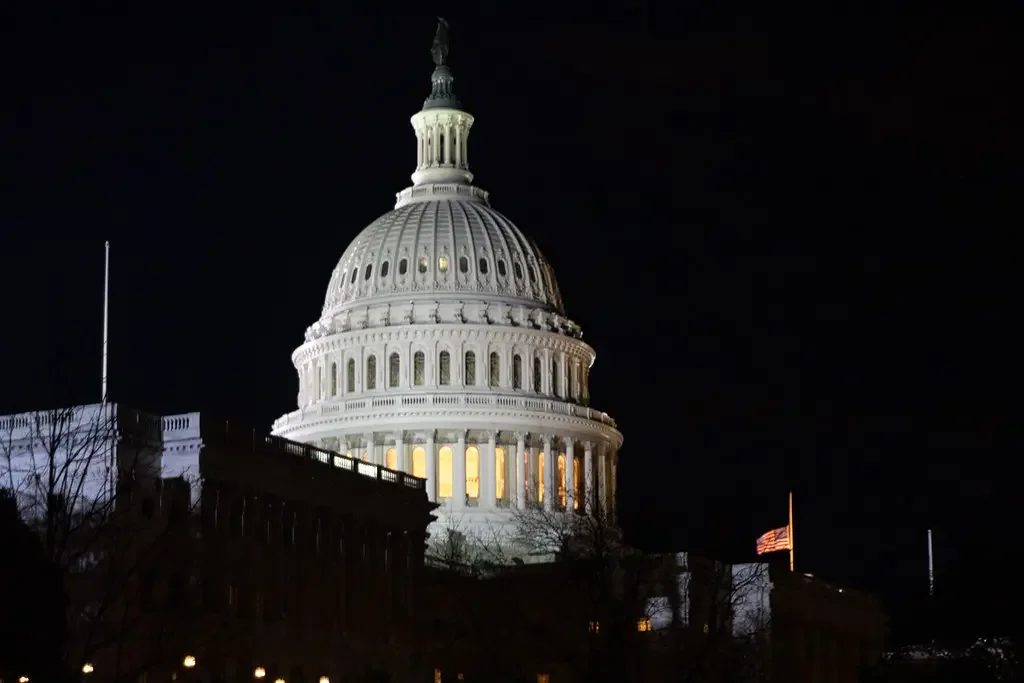
While the legislation might not enforce penalties on prediction-market operators themselves for hosting such contracts, it does underscore the importance of federal compliance for candidates engaged in election-related market activities, transitioning the oversight from the platforms to statutory regulations. This is more significant than it looks; it indicates a growing recognition of the intersection between financial practices and electoral integrity. What this means for you, especially if you're working in this space, is that heightened scrutiny might be on the horizon. As awareness rises, candidates may need to reevaluate their strategies and compliance methods to steer clear of potential pitfalls.
Implications for Elections
The introduction of the No Betting on Your Own Race Act presents both opportunities and challenges for electoral governance. On one hand, it signals a commitment to maintaining the integrity of the election process, mitigating the risks posed by those who might exploit market dynamics. On the other hand, the specifics of enforcement and compliance remain to be seen. If passed, candidates will need to adopt a more cautious approach, but the question of whether they truly understand these new limitations lingers. Aside from legal repercussions, the reputational impact of engaging in such trades could be damaging, further dissuading candidates from taking such risks.
This kind of legislative movement could pave the way for broader reforms aimed at increasing transparency and accountability within campaign financing. But until effective regulatory frameworks are in place, the integrity of election-related activities will remain precarious. With heightened attention from lawmakers, candidates must be vigilant and proactive in adhering to the evolving rules, as failure to do so could result in penalties and a loss of public trust.
The post North Carolina’s Proposal to Regulate Candidate Betting on Their Own Races appeared first on ReadWrite.