Kubernetes Adds Gang Scheduling and Finer GPU Control for AI Workloads
Kubernetes 1.38 moves gang scheduling and finer GPU allocation toward stable, while AWS shares control-plane fixes aimed at 100,000-node clusters.
Cloud platforms, services, and infrastructure
Found 98 articles
Kubernetes 1.38 moves gang scheduling and finer GPU allocation toward stable, while AWS shares control-plane fixes aimed at 100,000-node clusters.
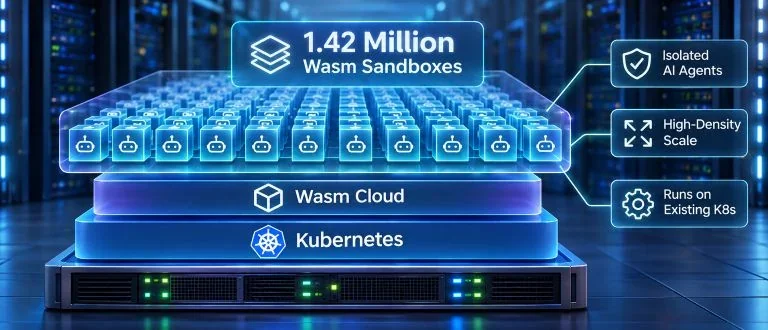
Cosmonic packed 1.42 million Wasm sandboxes for AI agents onto one 64-core server running Kubernetes. Lightweight isolation is the pitch.
Idle AI agents are tying up Kubernetes pods and straining the control plane. Google's Agent Substrate, gVisor, and NVIDIA's OpenShell point to the fixes.
Rafay and Fortanix now run confidential AI workloads in Kubernetes pods via CNCF Confidential Containers, releasing keys only to attested environments.
CoreWeave Database runs managed PostgreSQL inside customers' Kubernetes clusters, cutting cross-cloud hops for AI workloads. It's now generally available.
EDB donated Klio to CloudNativePG and previewed enterprise add-ons for encryption, support and multi-cluster backup management on Kubernetes.
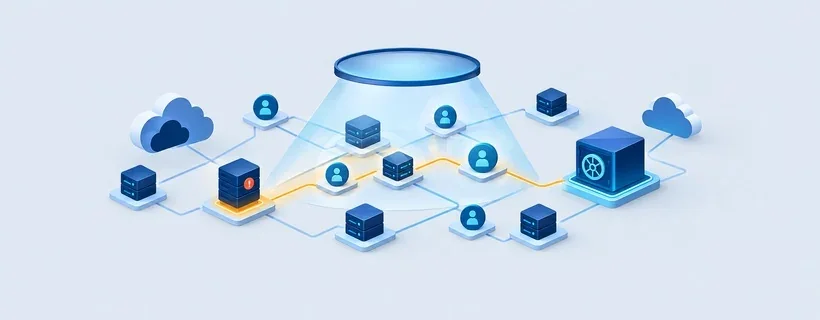
Correlating limited signals across cloud services can reveal fraud patterns while keeping raw customer records with the services that collected them.
Queues and durable workflows help AI teams manage long model calls, control retries and match compute to demand.
Bindplane Agent reaches general availability alongside new pipeline views, gateway and Edge Fleet management, and blueprints with up to 32 processors.
AKS adds managed GPU and network allocation, while Fleet Manager gains placement controls and upgrade checks for multi-cluster operations.
Recorded Future identified about 261,700 suspected DoppelCart domains; roughly 40% of observed sites were still active by October 2026.
Kalshi and Coinbase lost interim relief in the Second Circuit, allowing New York and Connecticut to pursue state cases over sports event contracts.
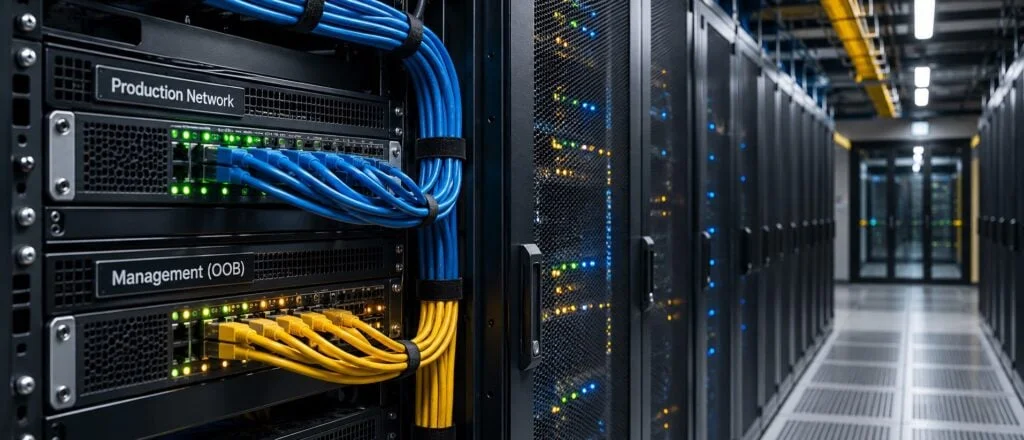
Kubernetes can keep workloads running through failures, but teams also need independent access to repair the networks and systems beneath them.
Google’s Z4M instances combine up to 168,000 GiB of local SSD with 400 Gbps RDMA for AI, databases and parallel file systems.
Arkansas is challenging VGW’s sweepstakes model and Kalshi’s sports contracts, citing $66 million in VGW sales and a lack of state gambling licenses.
Exposure context helps cloud security teams rank alerts by reachable assets, identity permissions and exploitable paths, speeding containment decisions.
Kinference helps teams manage distributed vLLM workloads, improve GPU use and route selected inference requests to cloud capacity.
GKE automates much of Kubernetes infrastructure, but low utilization persists. Workload data, smarter capacity choices and gradual changes can help close the gap.
A 2026 report finds low utilization across EKS fleets. Rightsizing, GPU sharing and smarter Spot placement can help teams match capacity to real workloads.
MCP standardizes tool connections; context layers add scoped permissions, task-specific actions and controls that keep production systems in charge.