Samsung's New Foldable Display: Are the Creases Back After a Week of Use?
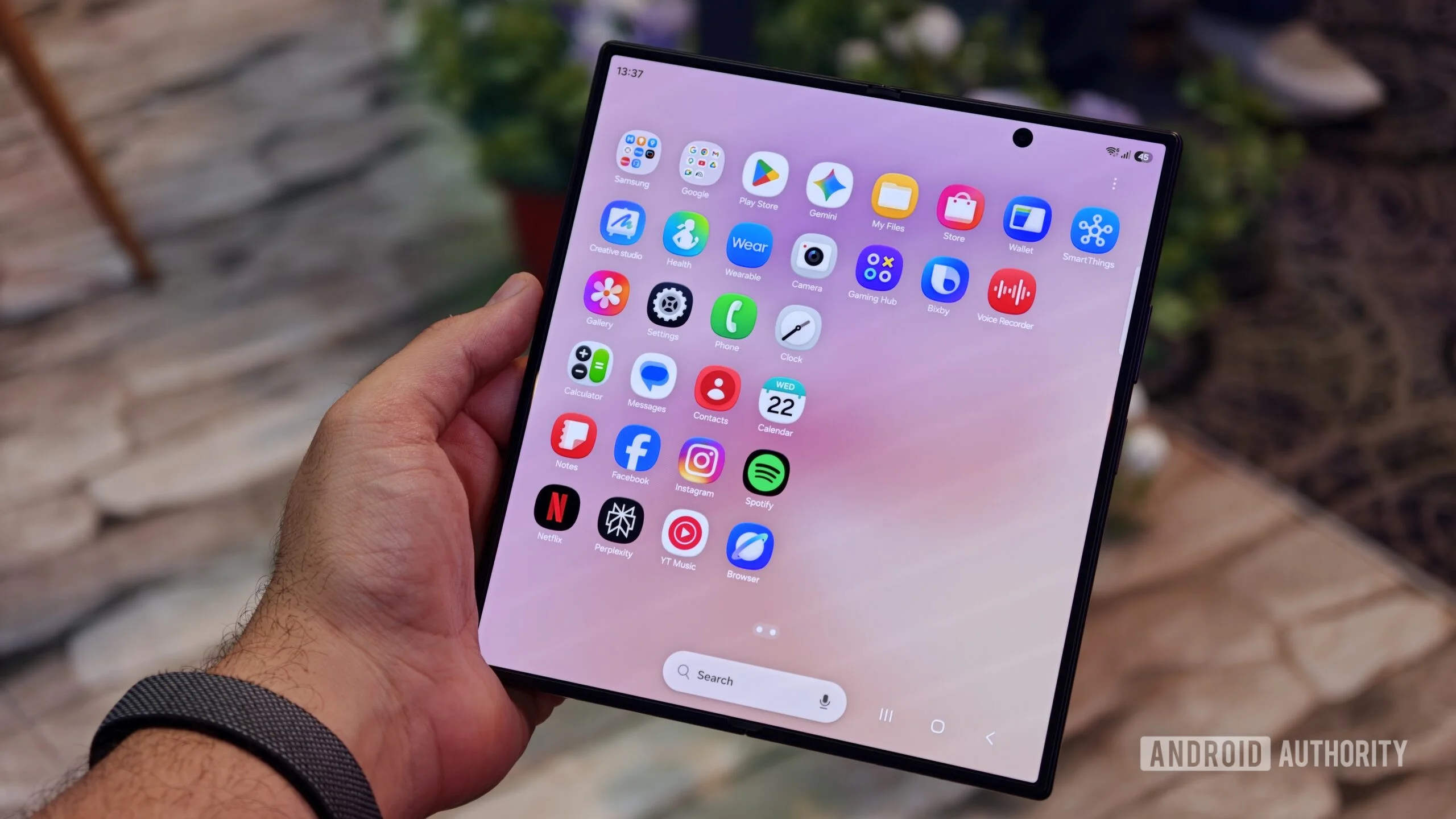
Users report visible creases on Samsung's latest foldables after a week, but the feel remains flat despite the visual change.
Cybersecurity threats, protection strategies, and best practices
Found 61 articles
Users report visible creases on Samsung's latest foldables after a week, but the feel remains flat despite the visual change.
Google's fresh approach to Chrome security, powered by AI, has led to a significant surge in vulnerability detection and rapid patching to enhance user safety.
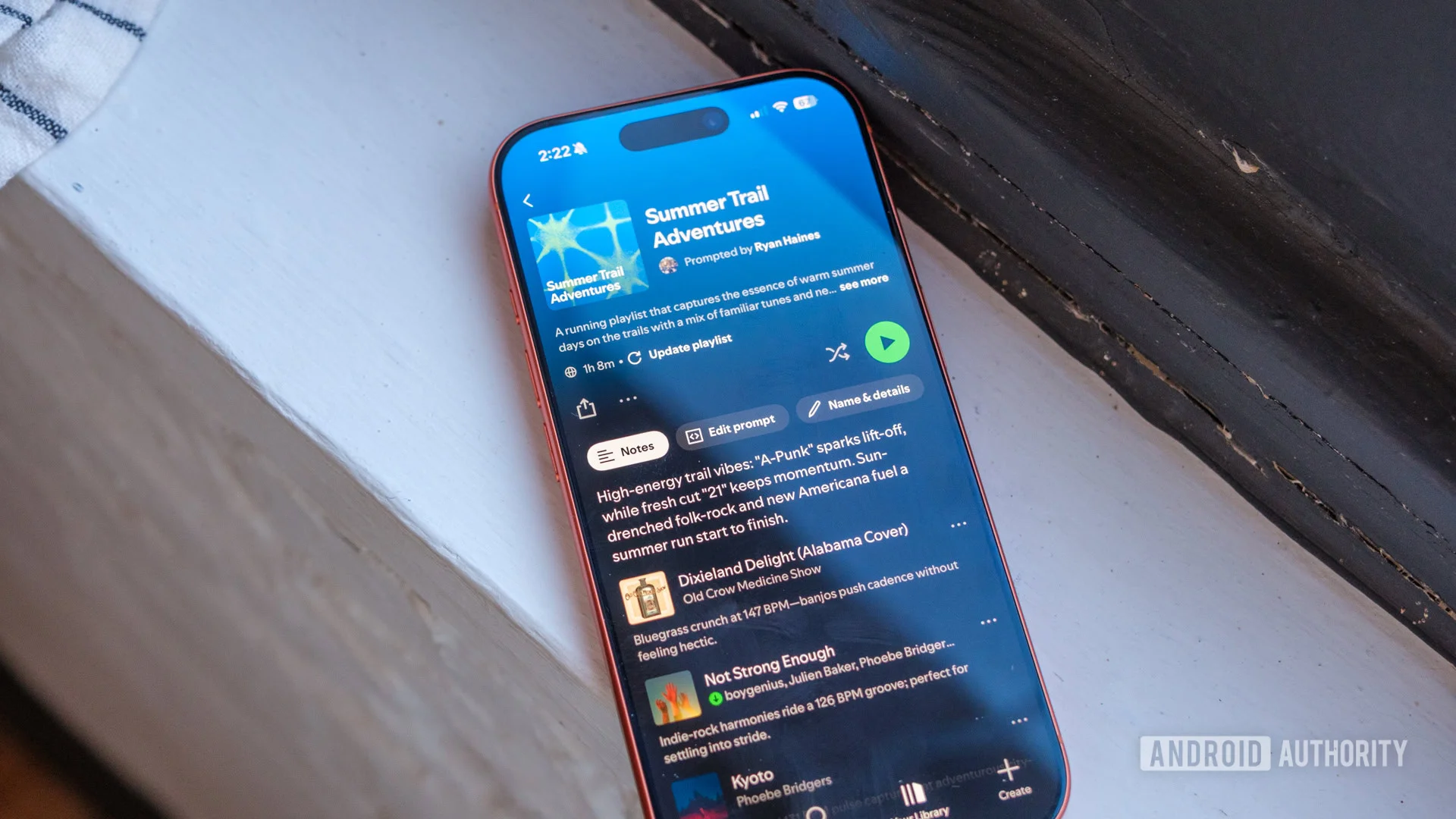
Spotify unveils Running Mode for personalized playlists, along with User Notes for track comments—both expanding user engagement on the platform.
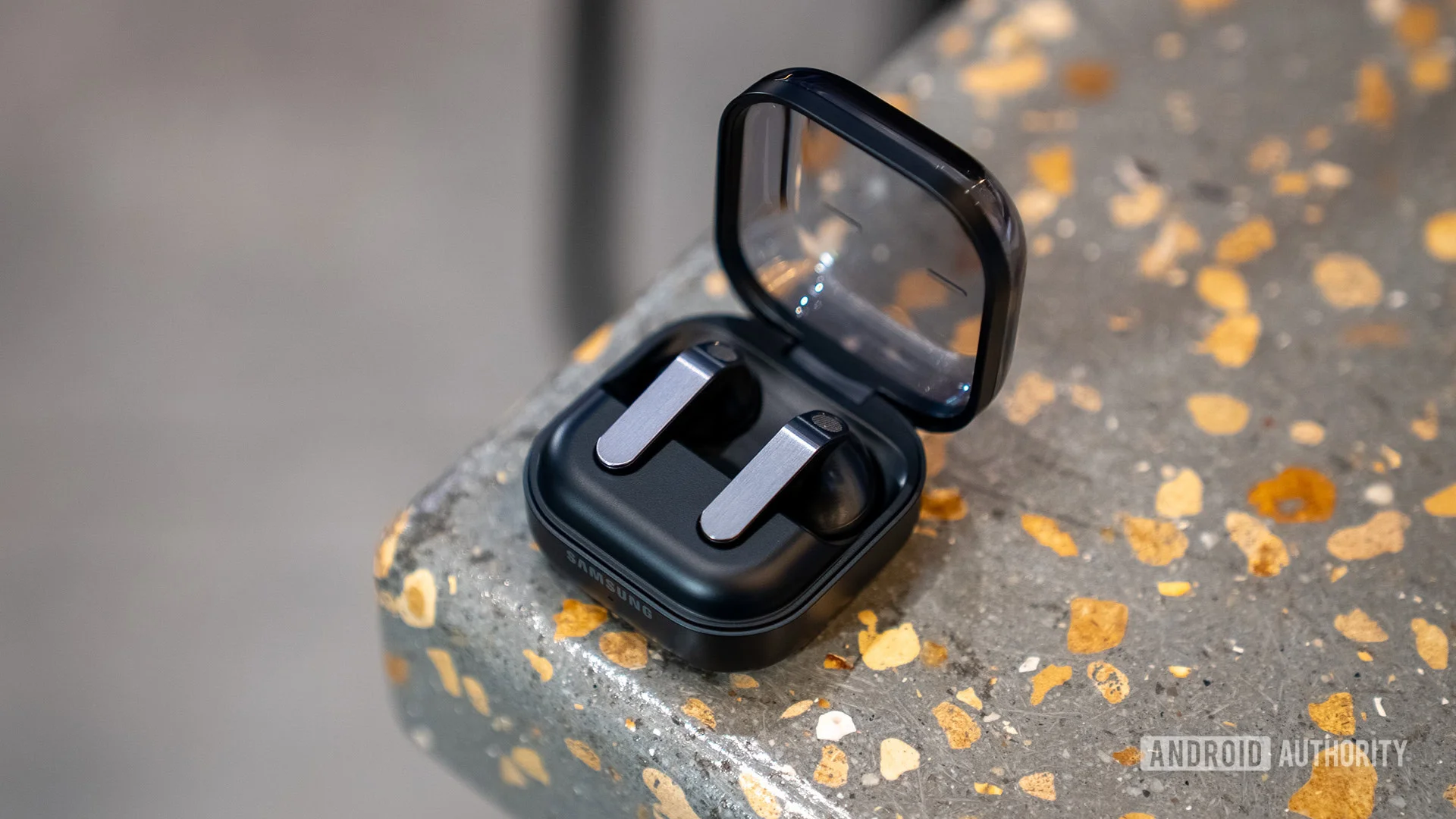
Samsung's upcoming Galaxy Buds may introduce a new ear-hook design aimed at fitness enthusiasts, alongside the previously rumored clip-on model.
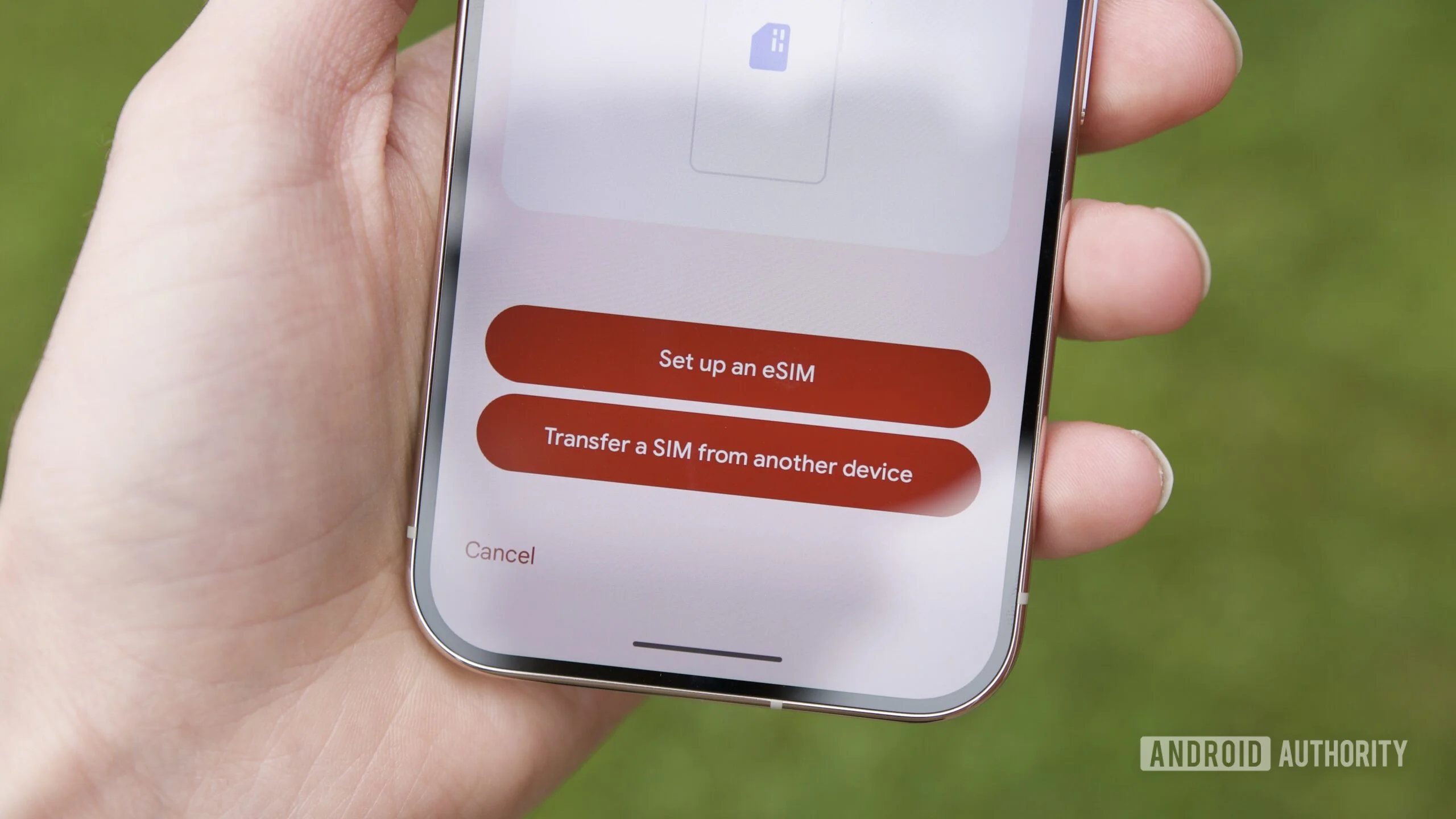
Google is developing a Gemini-enhanced assistant to simplify setting up new Android phones with personalized guidance and real-time suggestions.
After seven years, a once-enthusiastic Android Auto user finds little improvement, citing ongoing frustrations despite some appealing features.
Key developments in prediction markets include Kalshi's court win, Fanatics' new acquisition, and tastytrade's market entry.
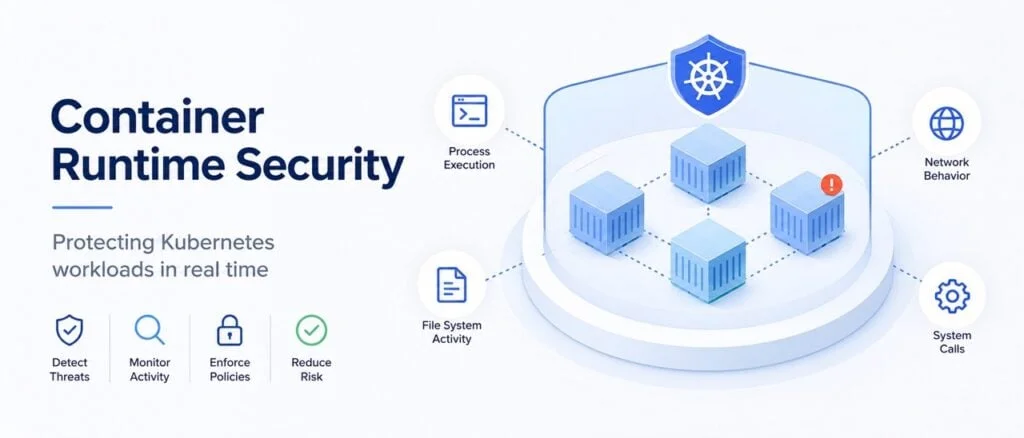
Container runtime security in Kubernetes is critical as teams often overlook vulnerabilities during runtime that can lead to major breaches.
Mandiant's research reveals that many cyber threats stem from human errors and systemic failures, prompting a shift toward resilience-focused strategies.
Kata Containers 4.0 introduces a Rust-based runtime to enhance memory safety and efficiency, tailored for secure AI agent sandboxing.
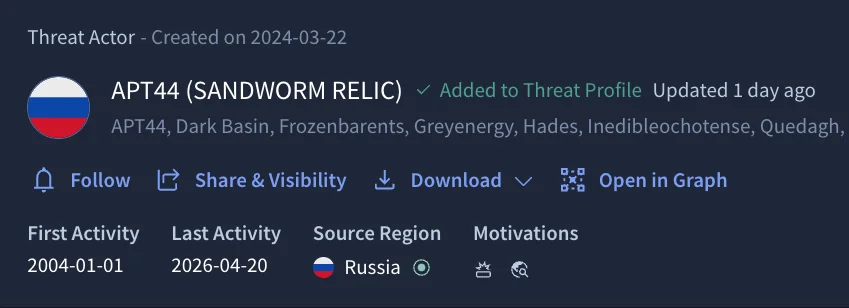
GTIG introduces a streamlined naming system to improve clarity and usability for identifying cyber threat actors, enhancing defensive strategies for cybersecurity teams.
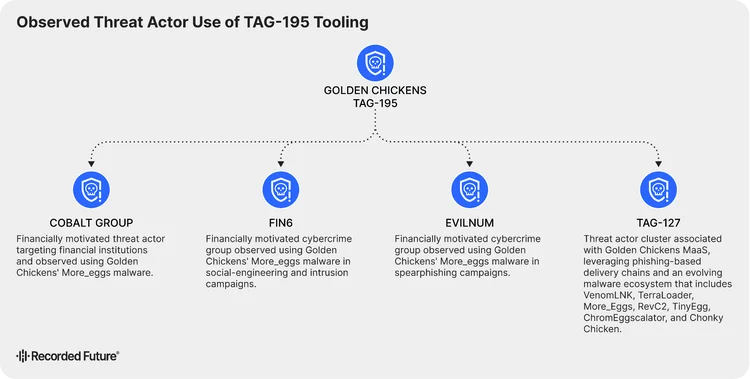
Insikt Group uncovers four new TAG-195 malware families, showcasing a strategic shift to modular structures to improve operator capabilities and evasion tactics.
Docker images pose significant risks in application delivery, requiring advanced security measures beyond traditional vulnerability scans to ensure integrity.
In 2026, cyber attackers are leveraging new strategies like credential stuffing and edge vulnerabilities, emphasizing the need for proactive defenses.
Proactive threat hunting empowers businesses to detect cyber threats before they escalate. Discover key methodologies and operational strategies for success.
Organizations must shift their strategies to proactive threat intelligence to effectively combat advanced persistent threats (APTs) and minimize potential damage.
Iran's strategic use of AI during the 2026 conflicts has amplified its asymmetric warfare methods, posing increased risks to regional and global security.
June 2026 saw a significant rise in high-risk vulnerabilities, highlighting ongoing exploitation targets. This report details trends and critical findings.
Organizations must prioritize building and testing AI-driven defense agents to stay ahead of evolving threats from financially motivated cyber adversaries.
TAG-182 intensifies its cyber surveillance efforts targeting Iranians, employing MarkiRAT malware through deceptive apps in response to reduced conflict.