Enhancing AI Workload Management with KEDA: A Shift from Traditional Scaling Methods
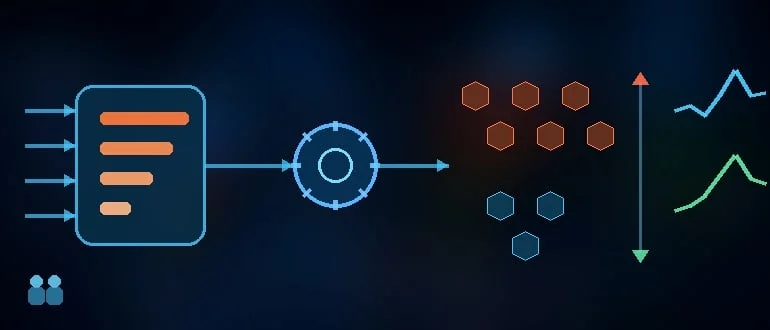
KEDA offers a dynamic solution for scaling AI workloads by focusing on request queues, effectively adapting to fluctuating demands without delays.
Cloud platforms, services, and infrastructure
Found 76 articles
KEDA offers a dynamic solution for scaling AI workloads by focusing on request queues, effectively adapting to fluctuating demands without delays.
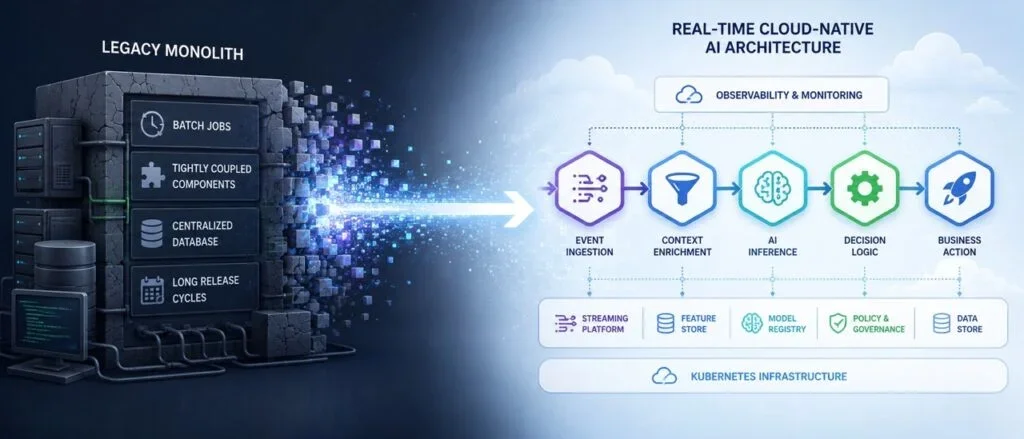
Modernizing legacy systems requires an architectural overhaul to support real-time AI capabilities effectively in cloud-native environments.
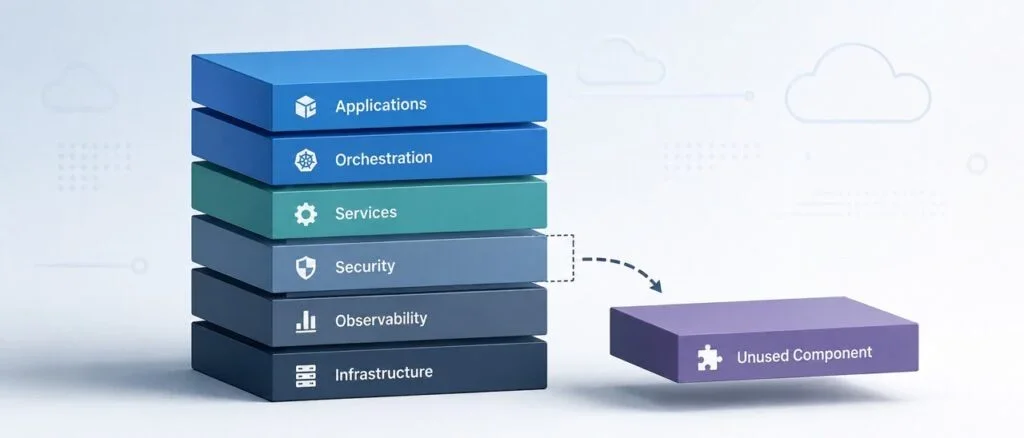
Analyzing the operational costs of cloud-native platforms reveals the hidden challenges of added complexity, prompting critical evaluations of each layer’s value.
Kalshi argues for its federal court case against New York, claiming key legal issues hinge on federal commodities law and gambling regulations.
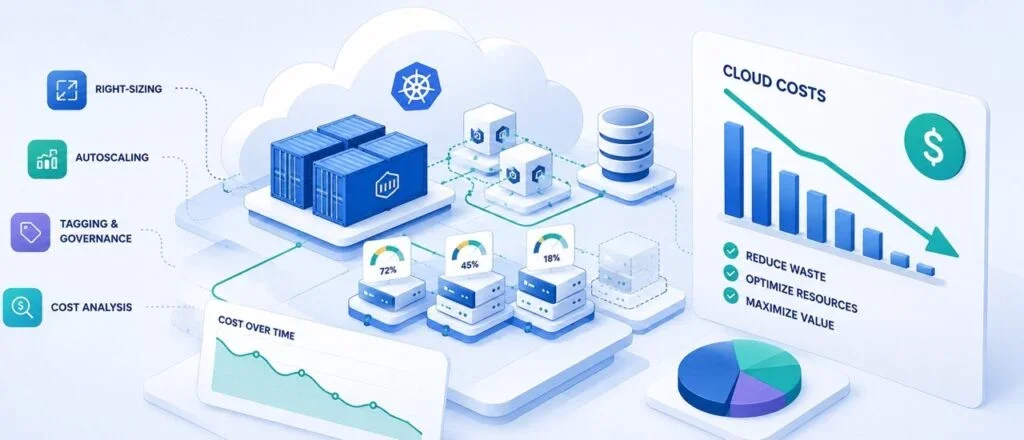
Explore practical techniques for optimizing costs in cloud-native environments, enhancing resource efficiency while maintaining service quality.
Florida's Attorney General has filed lawsuits against Stake and VGW, alleging their operations violate gambling laws hidden under sweepstakes claims.
Kubeflow has achieved CNCF graduation status, solidifying its role in enterprise AI and reaffirming its capabilities for scalable, vendor-agnostic workflows.
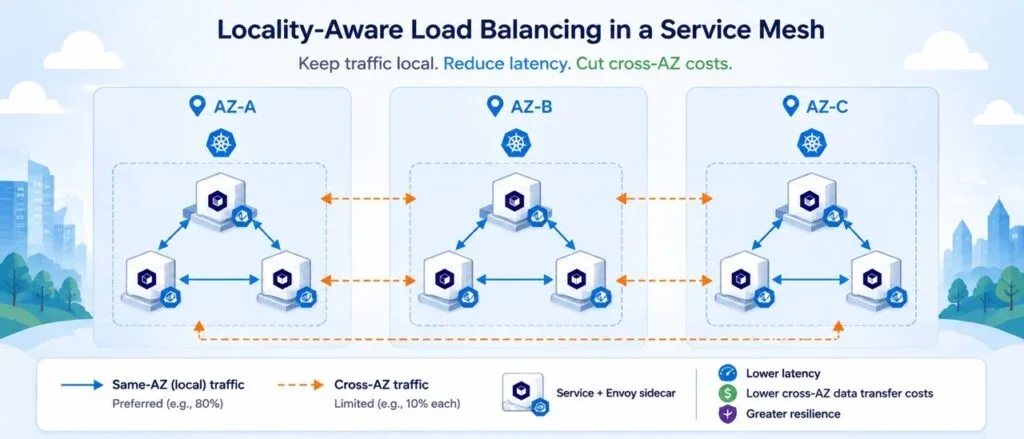
Uncover the hidden costs associated with default load balancing in Kubernetes service meshes, focusing on latency and AWS traffic charges.
Baltimore's lawsuits against Kalshi and Polymarket accuse them of conducting unlicensed sports betting under the guise of financial contracts.
Maintaining test validity in microservices is crucial as independent deployments can lead to outdated assumptions; new tools are emerging to address this challenge.
Kubernetes needs a better approach to GPU management. Sharing resources and scaling based on workload demands can unlock GPU potential and cut costs.
FlightAware has dropped its lawsuit against Kalshi just one day after filing it, keeping options open for future litigation.
CFTC's emergency intervention allows Kalshi to continue its operations amid New York's legal battle, highlighting the tensions between state and federal regulations.
In July 2026, 85 vulnerabilities emerged, with 36 rated as very critical, stressing the need for organizations to strengthen their cybersecurity defenses immediately.
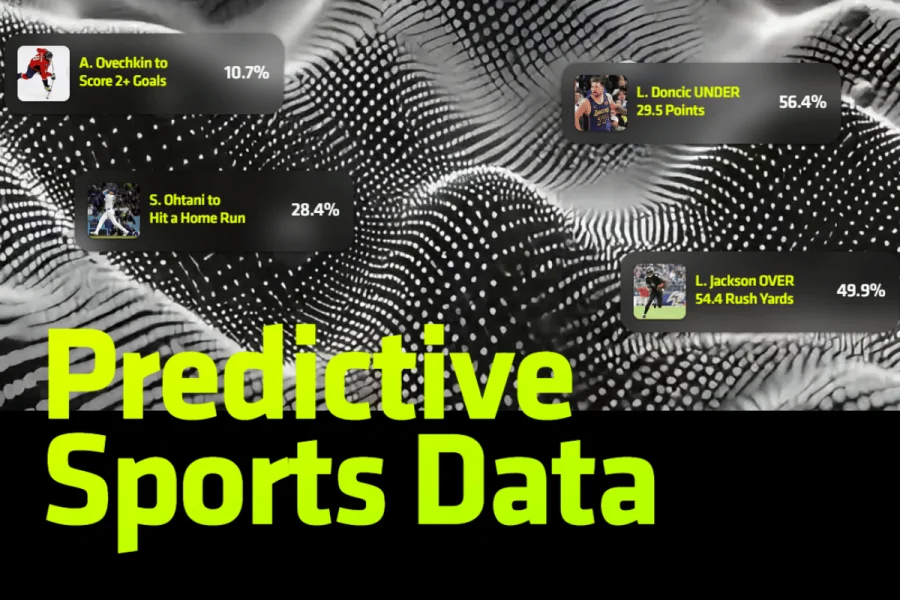
Swish Analytics faces intensified legal challenges as OddsJam, OpticOdds, and RotoWire file lawsuits over alleged data misuse and anti-competitive practices.
Novig's federal lawsuit against New York argues that its sports prediction markets fall under exclusive federal regulation, not state law.
New York state investigators are probing Kalshi's sports event contracts, focusing on transactions involving individuals under 21 amid ongoing legal challenges.
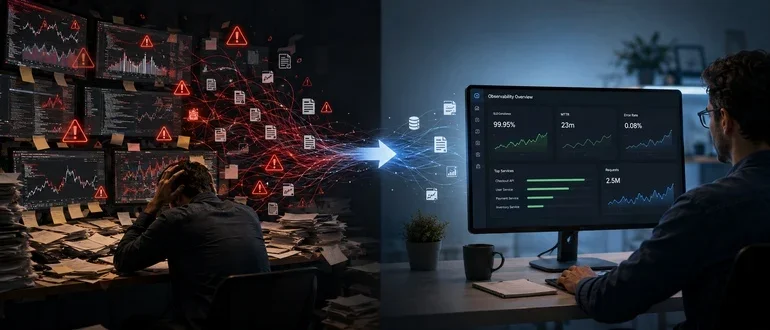
Telemetry debt hampers decision-making in cloud-native systems. Streamlining data collection is essential for actionable insights and effective observability.
DraftKings is targeted in a second class action lawsuit alleging its Predictions platform operates as an unauthorized sportsbook, with customers losing money.
Kalshi's legal challenge heats up as New York's attorney general seeks restrictions on its prediction markets after the case moves to federal court.