Wyoming Considers Felony Charge for Online Sweepstakes Operators
Wyoming's Select Committee on Gaming has introduced draft legislation that bans online sweepstakes games and proposes making their operation a felony. This move aims to clarify regulatory ambiguities surrounding these games, which have often occupied a gray area under existing state laws. The potential implications of this legislation could reshape the landscape for gaming in Wyoming.
Clarifying Legal Uncertainties
At the heart of this legislation is the committee's focus on online sweepstakes games that award prizes based on chance. These games exist in a murky area, as Wyoming explicitly prohibits online casinos while providing legal frameworks for online sports betting and fantasy sports. The legal status of sweepstakes games is far less defined. They aren't fully protected by gambling laws, yet they resemble gambling in many ways.
This lack of clarity hasn't just caused confusion; it's led to jurisdictional complications that complicate enforcement. Complaints about these games often get funneled through the Consumer Protection and Antitrust Unit, which may then refer cases to the Wyoming Gaming Commission. However, the commission often sends them back due to those ambiguities in regulations. By proposing a ban, the committee aims to resolve these uncertainties while also signaling a shift in how the state views these sweepstakes, potentially exposing operators to felony charges if they continue without clear guidelines.
Concerns Over Regulatory Overreach
However, it's not just the committee that's expressing concerns. Bill Gantz, an attorney representing VGW, a sweepstakes gaming company, argues that the draft might overreach. It risks conflicting with Wyoming’s existing laws regarding sweepstakes linked to purchasing goods or services, which can work to protect consumers. Federal regulations already dictate that there must be alternatives for entry that don’t involve purchasing anything. VGW has operated online sweepstakes within the state since 2012, and their experience underscores the potential broad impact of the proposed legislation.
The difference between sweepstakes and online casinos is significant—not just for operators but for consumers as well. Online casinos monetize through real money stakes and cash prizes, while sweepstakes are typically free to enter and regarded as promotional tools under consumer protection laws. Affie Ellis, a former state senator advocating for Bally’s Corporation, pointed out that these games visually resemble traditional gambling, which can obscure their legal distinctions. If legislators aren't careful, they might unwittingly stifle legitimate promotional models that have consumer ties.
This ongoing debate raises broader questions about the capability of traditional regulations to protect consumers without hindering free-market activities. With other states, including Arizona, having issued cease-and-desist orders against online gambling operators, it’s evident that enforcement can vary significantly, which complicates the operational environment for similar businesses working in Wyoming.
Rising Wagering Activity Heightens Scrutiny
As lawmakers consider this ban, they're doing so amidst a surge in gambling activity across Wyoming. Reports indicate that nearly $2.7 billion was wagered across all forms of legalized gambling in the state last year, with projections for 2026 suggesting numbers could surpass $3 billion. Such dramatic growth inevitably attracts scrutiny, leading lawmakers to reconsider the regulatory landscape affecting both established and emerging gaming models.
The Select Committee on Gaming, established in 2025 to address a range of gaming issues, is specifically tasked with including enforcement considerations in this sweepstakes proposal. Complaints involving both casino-like gameplay and promotional entry methods require a nuanced approach to jurisdiction. Changes to state-level regulations significantly impact operators, highlighting the need for clarity—a reality underscored by ongoing legal battles over online casino regulations in other states like Maine and the challenges that arise from regulatory discrepancies.
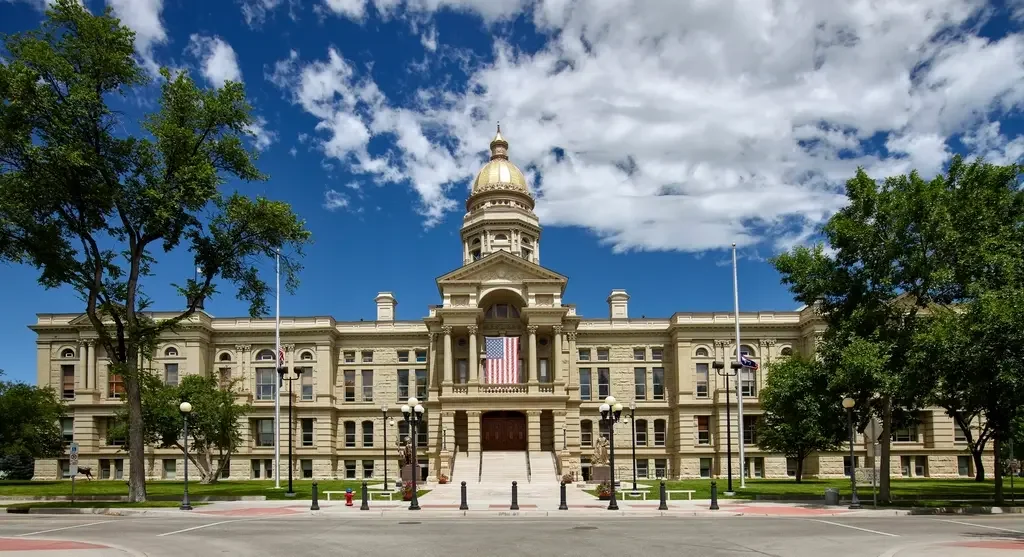
The fact that the committee unanimously supports this draft bill demonstrates a strong political will to address these ambiguities, pushing it through the legislative process. Yet, this proposed felony ban hasn't gone into effect just yet. Further legislative action will be necessary before it can be implemented. Operators and regulators will need to monitor both the bill's progress and any subsequent clarifications regarding jurisdiction for handling complaints related to online sweepstakes games.
Future Outlook and Industry Implications
The introduction of this legislation signifies a potential pivot point for the gaming industry in Wyoming. If you're working in this space, you'll need to stay vigilant. This could mean either a tightening of regulations that stifles promotional models or an opportunity for clearer guidelines that could help operators comply without fear of sudden legal repercussions. The implications of how this bill unfolds could influence not only local businesses but also attract national attention.
The outcome could reshape how companies develop and market similar gaming products. This legislation will likely set a precedent that other states may follow, which means the stakes are high. The decision-making process policymakers undertake in Wyoming won't just affect operators; it could also redefine legal frameworks for promotional strategies throughout the U.S. Let's keep an eye on that dynamic and see how it evolves.
The post Wyoming Panel Backs Felony Penalty for Online Sweepstakes appeared first on ReadWrite.