CFTC Clarifies Prediction Markets, Navigates Federal and State Jurisdictions
The Commodity Futures Trading Commission (CFTC) has recently introduced two significant measures aimed at defining the scope of prediction market contracts under federal regulations. By delineating which contracts fall under federal derivatives rules and which are considered gambling products subject to state oversight, the CFTC is positioning itself amidst an ongoing jurisdictional conflict.
One of the proposed measures expands the definition of a swap to incorporate contracts associated with various events—spanning cultural happenings, weather events, political occurrences, and sports. The CFTC argues that this move is essential to clear existing ambiguities regarding how these products are classified under federal law, reinforcing their view that such contracts typically behave as swaps in trading scenarios.
The other provision is an interim final rule explicitly excluding casino-style gambling, including wagers on sports and other games, from the swap definition. This rule will take effect as soon as it appears in the Federal Register. Each of the proposed measures has a 30-day window for public comments, with the filings directed to the White House Office of Information and Regulatory Affairs on September 28, ahead of their public unveiling on October 9.
This delineation is critical because the CFTC maintains that qualifying event contracts should be regulated as commodity derivatives, placing them squarely within its jurisdiction. Conversely, state authorities assert that prediction markets belong under their gambling regulations. A formal classification of swaps could bolster the CFTC’s case. However, it does not preempt state laws that govern these contracts traded at various exchanges.
The legal ambiguities are already in contention, with current cases pending in court. The CFTC's actions come amid differing opinions from the Third and Ninth Circuit Courts of Appeals regarding the status of event contracts as federally sanctioned swaps. This divergence has thrust several prediction-market companies, including Kalshi and Polymarket, into legal disputes with state regulators.
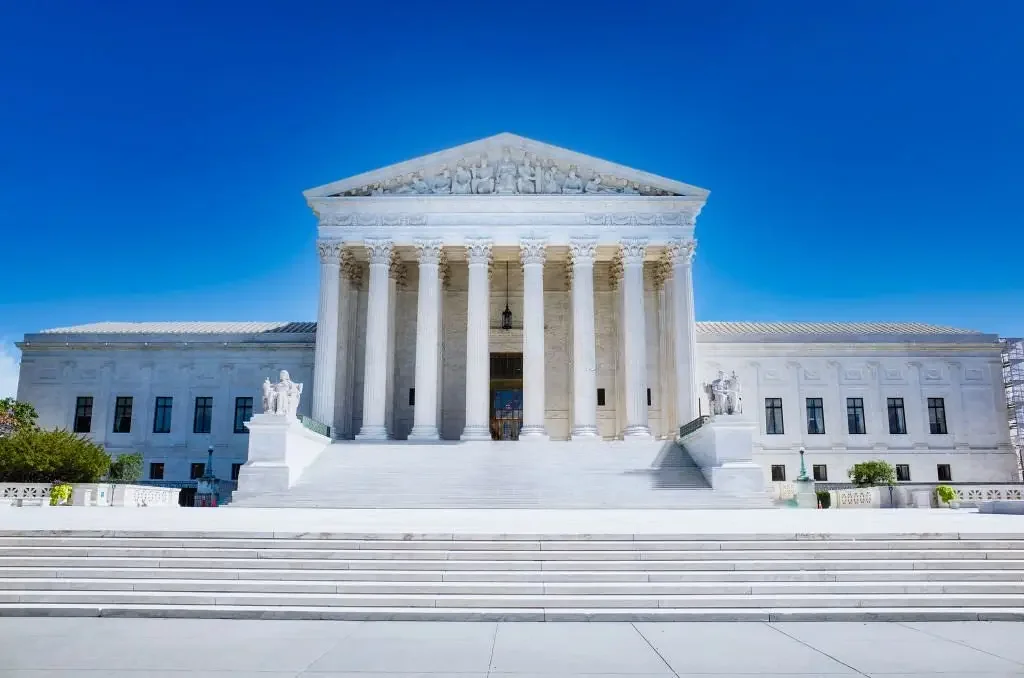
As part of the ongoing tension, New Jersey has referred the issue to the Supreme Court, particularly regarding the Kalshi case. Notably, gaming regulators from 39 states and the District of Columbia have thrown their support behind New Jersey’s petition, which underscores the significant implications for regulation in this arena. As the Supreme Court considers the case, there exists a parallel process: the CFTC’s attempt to clarify its position while judicial questions surrounding authority remain unresolved.
States and the NFL Weigh In
The NFL has allied with New Jersey's request for a Supreme Court review, arguing that states are better equipped to oversee sports-related contracts in light of current legislative frameworks. Legal representatives for the league caution that without the Supreme Court’s intervention, operators might exploit inconsistencies between federal and state regulations, jeopardizing consumer interests and the integrity of sporting events.
The league's stance highlights the real-world implications of this regulatory tussle: while states argue that prediction market products are within their regulatory authority, the CFTC contends that certain contracts are derivatives as per federal law. The challenges state officials are mounting against federal oversight represent a broader struggle over how these markets should be governed.
The dichotomy between what constitutes a swap and what is classified as a traditional gambling product could have lasting impacts on how prediction-market operators devise their platforms and defend against state enforcement actions. Nevertheless, the clarification processes initiated by the CFTC do not eliminate the ongoing debate about the extent of federal authority over transactions involving state-controlled gambling products.
What’s Next: Comment Periods and Legal Review
Looking ahead, the immediate step involves closing the two 30-day public comment periods. The CFTC will assess the feedback as it determines whether to modify, finalize, or retract the proposals. The interim final rule regarding gambling exemptions will automatically come into effect following its formal publication in the Federal Register.
Meanwhile, the Supreme Court is tasked with deciding whether to evaluate New Jersey's appeal. The CFTC is pushing to solidify its position on event contracts prior to the courts rendering further judgments. Yet, the proposed measures do not address how federal regulations interact with existing state gambling laws—making the regulatory landscape complex and fraught with uncertainty.
The developments around prediction market oversight signal an ongoing evolution in legal interpretations that will likely shape the future of these financial instruments.