T-Mobile Introduces Affordable Student Plans with Significant Discounts
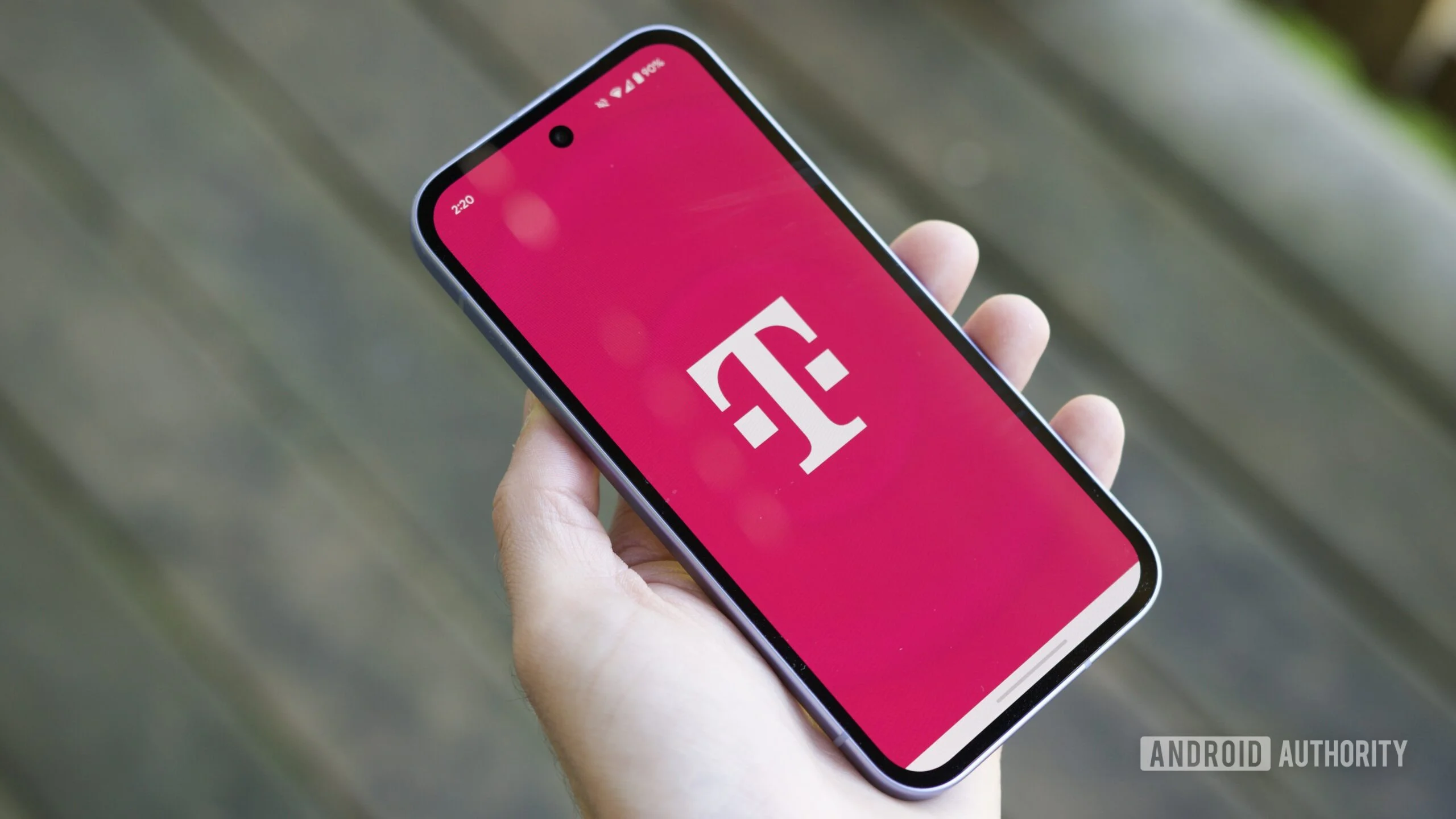
- T-Mobile has launched discounted versions of three unlimited plans for students.
- The cheapest option cuts one Essentials Saver line from $50 to $30 per month.
- The T-Mobile student plans are limited to two lines and may come with less generous device offers.
T-Mobile's Shift Towards Student Plans
T-Mobile is making a strategic move by focusing on students, which marks a significant shift in its market strategy. This isn't just about attracting younger users; it’s about challenging competitors in a space often dominated by bargain carriers. By rolling out discounted plans targeted specifically at students, T-Mobile aims to create long-term brand loyalty among a demographic that’s often price-sensitive but technology-savvy.
The new student-centric plans come amid declining press around T-Mobile's previous offerings. Recently, the company faced backlash from customers dissatisfied with older plans being phased out in favor of more expensive alternatives. The negative sentiment, especially as carriers often rely on customer loyalty, likely prompted this pivot. Offering services at lower prices can be viewed as a necessary step towards rebuilding that trust.
Breakdown of New Plan Offerings
The latest introduction includes three tiers of plans: Experience Beyond, Experience More, and the Essentials Saver. Each of these plans has been tailored not just in price but also in the additional features they provide to appeal to the average student. The pricing structure shows that the single-line subscriptions start at $80, $65, and $30, respectively. When considering two-line options, those prices adjust to $130, $110, or $60.
While the pricing might seem attractive at first glance, it's important to look closer. Each plan’s structure is distinctly designed for specific demographics – single users versus couples or friends who might want to share costs. However, this comes with limitations, notably being restricted to two lines. This might appear limiting in a market that often sees families and groups looking to bundle additional lines or services.
Device Offers and Limitations
One aspect that stands out is the potentially less generous device offers that accompany these plans. In a competitive telecommunications landscape, especially among younger consumers, carriers often use device incentives to lure customers. T-Mobile’s student plans may not have the same allurement compared to standard offerings, where higher-tier plans tend to come with bonuses like discounts on high-end smartphones. The drawback here? Students could end up paying more out-of-pocket if they wish to partake in those premium devices.
This is more significant than it looks. If the devices are necessary for students—who may rely on tech for schoolwork—the overall value of these plans could diminish quickly. Imagine a college student needing a laptop or smartphone upgrade; if T-Mobile's offers aren’t competitive, that student might be looking elsewhere even if the plan itself is affordable.
Industry Context: The Competitive Landscape
In the bigger picture, T-Mobile's strategy comes at a time when many telecom companies are scrambling to attract younger consumers. Networks like Verizon and AT&T have also targeted budget-conscious users with their own discounts and promotional offerings, aiming to retain relevancy in an industry marked by shifting consumer expectations. In the past, similar systems typically introduced compelling packages for specific demographics, like the family plan promotions or senior citizen discounts, showcasing how pricing strategies evolve over time.
In contrast, T-Mobile is banking on the idea that students will appreciate the lower monthly rates and might overlook the less attractive device offers in exchange for savings. This could be a risky gamble, especially as students generally prioritize quality devices that can handle demanding applications. Therefore, while these discounts might snag initial interest, T-Mobile must work hard to ensure the plans provide satisfactory long-term value.
Areas for Improvement and Future Outlook
This effort by T-Mobile speaks to a larger trend where companies are beginning to recognize the power of targeted offers. However, the path forward won’t be entirely smooth. If you’re working in this space, you might consider how consumer satisfaction will hinge on more than just rates. Elements such as customer service, responsiveness to user needs, and comprehensive device options will ultimately determine whether T-Mobile can secure this demographic.
The plans, while attractive at face value, might need enhancements to bolster their appeal. Perhaps future iterations could incorporate more flexible pricing or additional incentives tied to the purchase of devices. After all, consumers are increasingly seeking value beyond just a low monthly payment. With tech playing an ever-present role in education, companies must realize that a plan won't hold up unless the technology tied to it meets the expectations of today’s students.
And this is the part most people overlook: student loyalty is notoriously fickle. If T-Mobile's program doesn't sufficiently meet the needs of its users, they may quickly shift to other options, leaving T-Mobile right back where it started. As the telecommunications industry continues to evolve, the potential for T-Mobile's student plans could either solidify the brand's presence among younger audiences or push them further into the shadows if competitors respond more effectively.