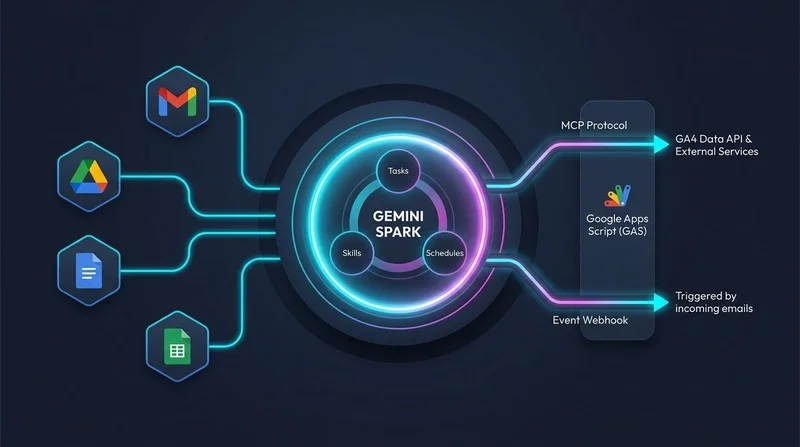
Gemini Spark Expands Functionality in Chrome for Streamlined Web Automation
Streamlining Online Tasks
Every professional knows the frustration of getting bogged down in mundane digital tasks. Whether it's comparing flight options or repeating similar online forms, these distractions can derail productivity. Google's latest move with Gemini Spark aims to alleviate these frustrations. In a world where time is often equated with money, even small time-wasters can accumulate into significant losses over a week or month. Those pesky digital chores not only steal focus but can also lead to decision fatigue, which is becoming an increasingly discussed topic among productivity experts.
Chrome Integration Features
The newly introduced integration with Chrome allows Gemini Spark to leverage your signed-in accounts and saved credentials, with your consent, to efficiently manage these repetitive online actions. This move aligns with a growing trend towards task automation in both personal and professional spheres, as evidenced by the rise of various productivity applications. For instance, it can assist in contacting landlords for listed apartments or streamlining flight selections, ultimately handing control back to you for final confirmations. The beauty of such automation lies in its potential to cut down the time spent on trivial tasks, allowing professionals to focus on higher-level responsibilities—think analysis, strategy, and innovation.
This category of tools often focuses on user experience, making the software intuitively helpful. Gemini Spark's Chrome integration appears designed with that intent, reducing the cognitive load on users by minimizing the number of discrete tasks required to complete online actions. And let’s be honest: many people don’t fully capitalize on their browser’s functionalities. Automation tools like this can fill that gap, though it's crucial to consider how they integrate with existing workflows. If you're working in this space, the ability to perform actions automatically based on your preferences can be invaluable. Yet, it's important to remain critical of the necessity of any proposed solution.
Enhanced Security Measures
While the convenience is appealing, security remains a priority. Sensitive operations still necessitate explicit user approval, and Spark has incorporated safeguards against prompt injection attacks, providing users with a layer of protection against potential threats. This is significant, considering that cybersecurity risks are increasingly common, especially for applications handling personal data. Users have become more savvy about the importance of maintaining control over their digital identities, so any security measures will likely influence their willingness to adopt new technologies.
However, while Google touts security improvements, skepticism lingers. Users have heard similar assurances from tech companies before only to face breaches or lapses in privacy. The barriers to trust can be substantial. It’s essential for users to weigh the convenience of such tools against potential security risks. In this context, transparency about data usage and explicit user consent aren't just best practices; they’re prerequisites for adoption. That said, educating users on maintaining their security settings in tandem with using Gemini Spark will be important if Google wants to maintain confidence in their services.
Broader Availability
This web automation feature is currently rolling out in the US, while Gemini Spark is set to reach Google AI Pro users in over 160 additional countries, reflecting the platform's commitment to enhancing user productivity worldwide. Google's strategic move to make Gemini Spark more accessible aligns with its broader goals of democratizing advanced technologies, which, ironically, can sometimes have the opposite effect due to digital divides. The disparity in technological access across different regions raises questions about who ultimately benefits from such innovations.
As Gemini Spark rolls out more widely, it will be interesting to observe how various user groups adopt and adapt the technology to their unique contexts. Different markets have different expectations for tech solutions; in some places, the focus might be on cost-effectiveness, while in others, premium features could drive demand. And this is the part most people overlook: the cultural responses to new technology can strongly influence its success or failure. A tool seen as a time-saver in one region might be dismissed as unnecessary or even intrusive in another.
Implications and Future Outlook
Looking ahead, the implications of Gemini Spark's introduction to productivity tools could be wide-ranging. Companies and professionals need to consider how integrating automation into their daily routines might affect workflows, job roles, and even team dynamics. Task automation isn't just about efficiency; it also alters how people interact with technology and with each other. If more repetitive tasks become automated, would we see a shift in the skills that are prioritized in the workforce? It’s possible we’ll see a greater emphasis on complex problem-solving and creative thinking in various fields.
This technology presents another layer to the ongoing discourse around work-life balance. As automation frees up time, professionals may face the pressure of increased expectations regarding output and creativity. But here’s the thing: productivity must be carefully balanced against worker well-being. If automation tools make work processes easier, they could lead to burnout if not managed properly.
In a rapidly changing professional environment, tools like Gemini Spark will need to evolve as well. Continuous feedback from users will be essential. Will Google remain responsive to user concerns around privacy and efficiency? How they address these issues not only influences individual users but sets a precedent for the tech industry as a whole. The future potential for this type of product is exciting, but vigilance and adaptability will be key in its roll-out and acceptance.