Casino Leaders Challenge Prediction Markets Amid Regulatory Concerns
The recent G2E conference featured a notable discussion led by executives from major gaming companies like MGM Resorts International, Wynn Resorts, and Caesars Entertainment. The focus was on the rising popularity of prediction markets, with industry leaders voicing their concerns over licensing risks and the implications for regulated gaming.
The Shifting Sands of Customer Patterns
During the dialogue, as reported by CDC Gaming, the executives highlighted changing customer patterns in Las Vegas alongside escalating operational costs. Tom Reeg from Caesars reflected on Las Vegas's shift from a post-pandemic surge back to its normal pre-pandemic seasonality. This observation isn’t just a casual comment; it serves as an indicator of broader market trends. As consumers return to traditional patterns, gaming operators must recalibrate their expectations and strategies. In contrast, MGM’s Bill Hornbuckle noted an 11% increase in convention business at MGM, although he warned that rising airline fares and fuel costs could deter some clientele. This duality in growth and retreat encapsulates the fragile line operators walk as they adapt to fluctuating economic landscapes.
Reeg's insight into customer behavior revealed a need for operators to be vigilant about pricing strategies. He emphasized that overlooking the financial pressures customers face could alienate the average visitor. Consider that for many, the cost of entertainment in Las Vegas isn't just a matter of discretionary spending—it's a significant portion of their travel budget. This means that gaming companies like Caesars have to be mindful not only of their pricing but also of how they communicate value to customers. Meanwhile, Craig Billings from Wynn pointed out that the luxury segment he serves demands careful balance between occupancy rates and room pricing as operating costs mount, all while ensuring a pleasant experience for guests. This tension illustrates that any misstep can compromise profitability and guest satisfaction.
The Economic Impacts of Legal Gaming
American Gaming Association CEO Bill Miller framed the executives' remarks as a defense of the economic impact of legal gaming. He highlighted that the regulated industry supports 1.8 million jobs, generates $53 billion in taxes, and contributes $329 billion to economic growth. The sheer scale of these contributions cannot be ignored, especially when juxtaposed against the emerging trend of prediction markets. Miller contrasted this with prediction markets, accusing them of circumventing state regulations and not contributing to local economies. He mentioned that Kalshi, a key player, recorded over $190 billion in sports betting without any taxation. This raises serious questions about fair competition in the gaming sector and the long-term viability of operators who comply with strict regulatory requirements while others skirt around them.
Executives Express Concerns Over Regulation
The executives each raised unique concerns regarding prediction markets, yet all conveyed hesitancy. Reeg specifically warned that insufficient oversight could lead to negative consequences that tarnish both prediction markets and regulated operators alike. He articulated this concern clearly: “What I worry about is that something awful is going to happen in this interim period... that’s going to tar all of us.” His words encapsulate a prevalent fear in the industry—a collective risk stemming from the unregulated behavior of nascent markets.
While Billings stated that Wynn doesn’t take a definitive stance on prediction markets, he recognized potential indirect effects stemming from the expanding online gaming landscape. He suggested that the growth of this sector could impact Las Vegas, even if Wynn itself chooses not to engage. This reveals a critical aspect of the discussion: the interconnected nature of various gaming sectors, where one segment's growth can ripple through others.
Hornbuckle admitted MGM had been approached about entering the prediction market space but opted against it, primarily due to the associated risks to their gaming licenses in jurisdictions like Nevada, Japan, and Macau. He emphasized the necessity for clear principles and regulations, criticizing the accessibility of these markets to younger audiences. This concern is more than just about compliance—it's about the broader ethical implications of gambling access. (And this is the part most people overlook.) Providing easy access to potentially volatile prediction markets for a demographic still developing its decision-making skills raises alarm bells for many in the industry.
Debate Over Industry Regulations
Miller brought up the target demographic for prediction platforms, arguing that marketing to individuals aged 18 to 21 as an investment strategy is misguided. He cited platforms such as Kalshi and Polymarket, stressing their operations outside existing regulatory frameworks governing casinos and sportsbooks. This isn't just a minor regulatory issue; it affects how the entire gaming industry presents itself to a younger audience increasingly interested in all forms of betting.
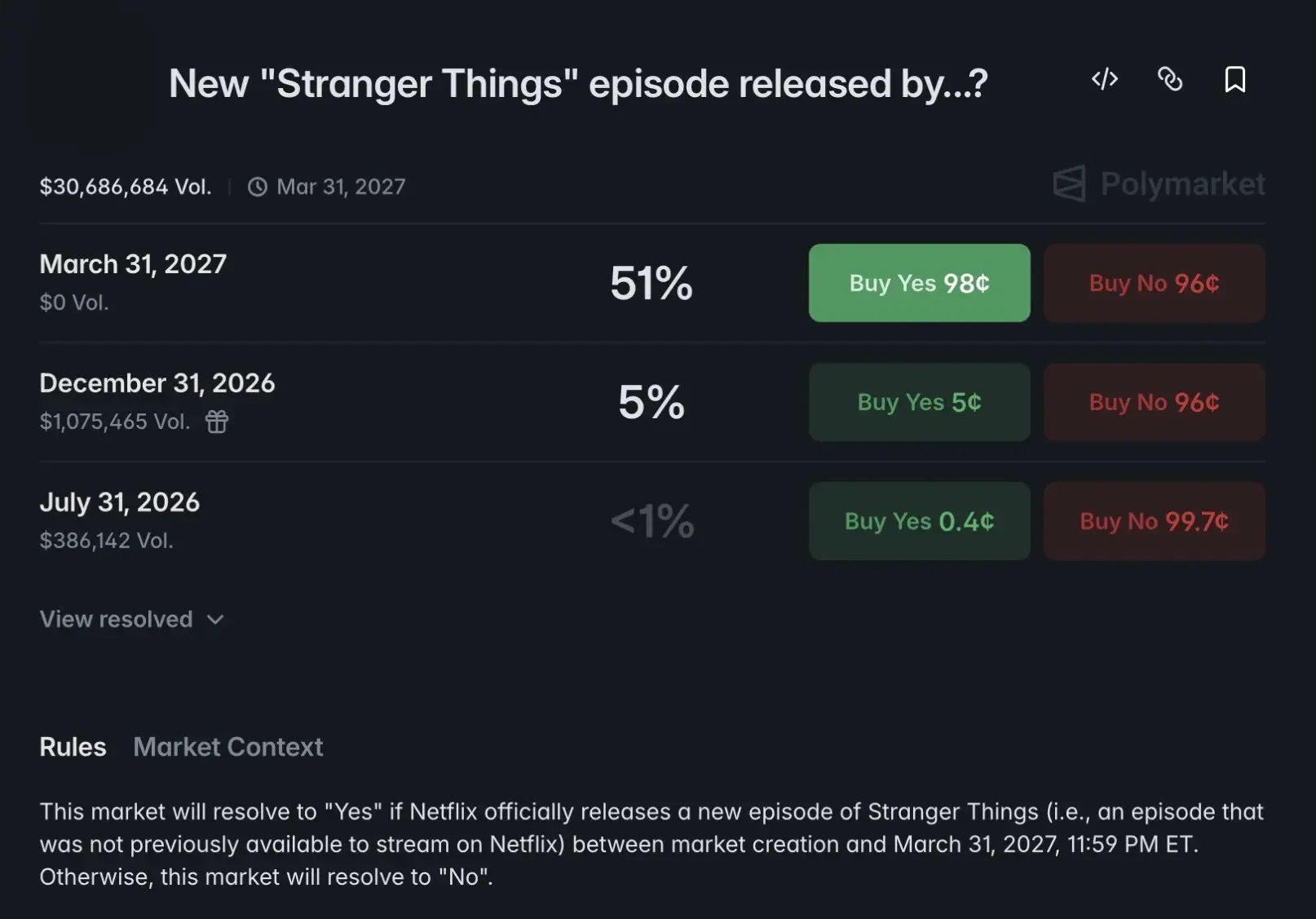
This discussion also taps into competitive dynamics, especially with federally regulated prediction-market exchanges raising questions about traditional betting methods. The recent push by DraftKings into the predictions space illustrates how this area is shifting strategies within established gaming companies. Such moves likely hint at a larger market transformation where companies rethink their approaches to encompass prediction markets as part of their broader offerings.
Hornbuckle suggested that ongoing legal disputes could escalate to the Supreme Court, reiterating that if prediction-market companies wish to operate in Nevada, they should adhere to the same regulations that govern casinos. For MGM, the decision to avoid prediction markets underscores its commitment to maintaining the integrity of its valuable gaming licenses. This creates an interesting dilemma for other companies: do they enter the prediction market, risking their licenses, or maintain their positions while the competitive landscape shifts around them?
Implications for the Future
The discussions at G2E signal a pivotal moment for the gaming industry, especially as it navigates the complexities of emerging sectors like prediction markets. As traditional gaming companies weigh their options, the looming question is how regulatory frameworks will evolve to encompass these new platforms. Will policymakers step up to create a unified set of rules, or will the industry find itself fragmented with competing regulations?
This scenario doesn't just affect gaming operators; it has real consequences for consumers, too. If you're working in this space, it means you’ll need to stay attuned to regulatory shifts and the competitive maneuvers of entrenched players. The landscape may change quickly, and those who fail to adapt could be left behind. As the executives’ concerns indicate, the stakes aren't merely financial; they're about the integrity and future of the gaming industry itself.