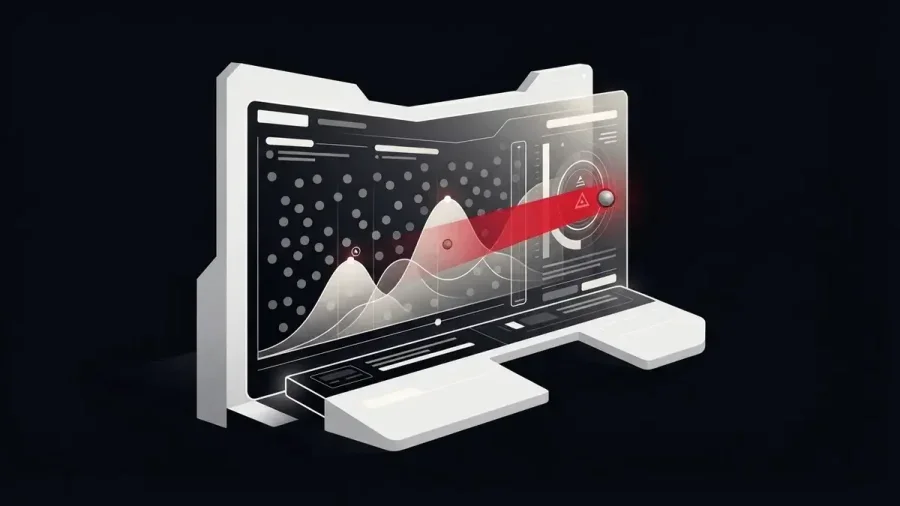
Rethinking Health Checks: Prioritizing Data Freshness in Cloud-Native Architecture
Production issues often arise not from service failures, but from unnoticed breakdowns in data continuity. An application can appear operational—its database reachable, requests fulfilled, and monitoring dashboards green—yet users might complain that the information is outdated. This disconnect highlights a critical challenge for data-driven applications reliant on up-to-date information.
In many cases, service health and data health diverge, complicating matters for cloud-native applications. When a data producer halts updates, the rest of the architecture may remain functional. An ingestion service may not cease operating, databases can stay accessible, and APIs might still provide the last available data. Each component may confidently report as healthy, but this can mask a complete halt in data flow.
A Green Health Check Can Still Hide a Failure
Consider this scenario: a common data flow pipeline. It includes a producer, ingestion layer, processing unit, database, and finally the API serving consumers. If the producer momentarily stops relaying updates, the succeeding elements may not show immediate faults. The ingestion layer functions, the database remains responsive, and the API continues to relay the previous data point. However, this situation indicates a serious gap in traditional health monitoring paradigms, where a responsive service does not guarantee the currency of its information.
Make Data Freshness Part of Health
In environments where data changes frequently, determining freshness should be a part of overall health metrics. It's not just about service liveness; it’s about how current the information being provided is. For instance, if updates normally arrive every 30 seconds, a single late update might be permissible. However, if there’s a notable delay and multiple cycles pass without any new data, it's essential for the application to adjust its status accordingly.
Establishing what constitutes “current” data rather than assuming service accessibility equates to fresh information is fundamental. Different workloads may define staleness differently, emphasizing the necessity of tailored monitoring strategies.
Degraded Is a Useful Production State
One pitfall in managing data freshness is equating every issue with a service outage. If a data source is delayed but not entirely incapacitated, simply restarting the service may yield no benefits. Instead, recognizing intermediate states is crucial. Data can move from healthy to degraded before it reaches a staleness state. With this model, various consumers might respond differently: dashboards can show the last known value with an indication of delay, while other processes may outright reject older data.
This nuanced understanding allows systems to manage expectations better and avoid overreacting to every minor issue.
Monitor the Flow, Not Only the Components
Cloud-native systems usually provide extensive insights into the infrastructure and service performance through metrics like CPU usage, memory consumption, and error rates. Nonetheless, data-centric applications require additional focus on whether the information is still progressing through the system.
Key monitoring signals might include:
- Last successful update: When was the most recent piece of data received?
- Data age: How long has it been since new information was available?
- Expected frequency: What is the normal update cadence?
- Processing lag: Is the data taking longer than expected to traverse through the pipeline?
- Time in degraded state: Is the behavior temporary, or is it part of an unfolding issue?
By analyzing these signals collectively, teams can quickly identify whether delays are the fault of the data source rather than the application itself, drastically shortening troubleshooting time.
Avoid Turning Freshness Monitoring Into Alert Noise
Once you measure data freshness, a surge of alerts can become counterproductive. Not every delay should trigger an immediate alert, as brief interruptions are inevitable. Flooding teams with notifications about every slight delay can desensitize them over time.
A more effective strategy involves prioritizing alerts based on severity and persistence. A short delay may warrant a reminder of degradation, while prolonged stagnation could escalate to a critical alert. Adjustments should be designed so that once the normal flow of information resumes, the alerting status resets automatically.
Design Freshness Into the Data Path
To optimize freshness monitoring, integrating these capabilities into application design is preferable over retrofitting them post-incident. Producers ought to include timestamps or sequence identifiers, which empower consumers to gauge the freshness of the data. Processing layers should expose their recent successful updates, and APIs need to provide context around the currency of the provided information.
This proactive design becomes even more essential in complex architectures with multiple services, each of which may report operational health independently while failing to reflect a breakdown in the data pipeline.
Rethink What Healthy Means
It's useful to differentiate between liveness, readiness, and infrastructure monitoring, which account for system functionality. However, for applications reliant on data, an additional critical question arises: Is the information still current?
This doesn’t imply discarding existing health checks; on the contrary, it's about enriching the health definition to align more closely with user expectations. An application can relay a successful response while harboring outdated data.
The key takeaway is that a truly healthy service needs to proactively assess the freshness of its data. This holistic view of health is essential for fostering reliability in cloud-native environments where data continuity is paramount.