Google's AI Strategy: An All-Encompassing Approach
At Google, artificial intelligence isn't just an add-on; it's an integral part of the company’s fabric. The tech giant is known for developing sophisticated AI models such as Gemini and Nano Banana, but their commitment goes much deeper. AI infuses many of the everyday tools we rely on, from Gmail to BigQuery, AlloyDB, Google Cloud Code, and Google Cloud Assist. The company doesn’t stop at user-facing applications; it also provides frameworks like the Gemini Enterprise Agent Platform, JAX, and MaxTest that enable developers to build innovative AI solutions. Beneath all this, Google has engineered a powerful infrastructure, complete with a variety of computing resources, specialized accelerators like TPUs and GPUs, optimized networking, and orchestration software such as GKE and Cluster Director, coming together in supercomputing platforms like the AI Hypercomputer. This extensive ecosystem is designed to facilitate the industry-wide shift toward an AI-driven future.
Why does this matter? We’re experiencing a transition into an agentic era, where AI is stepping beyond mere question-answering and is beginning to reason and take actionable steps. Organizations aspiring to excel in this next AI phase must adopt infrastructure that meets the evolving requirements of these intelligent systems. This entails faster innovation cycles, delivering enhanced user experiences, and maximizing both cost and energy efficiency, all at an impressive scale.
Google is moving fast to meet these challenges. The company is consistently updating its AI infrastructure and orchestration capabilities. Expect monthly updates showcasing new features, performance milestones, and relevant case studies to keep you informed in this rapidly changing environment. If you’re involved in AI development or cloud infrastructure, staying tuned to these updates will be key to understanding how to leverage these advancements effectively.Looking Ahead: The Future of AI Integration
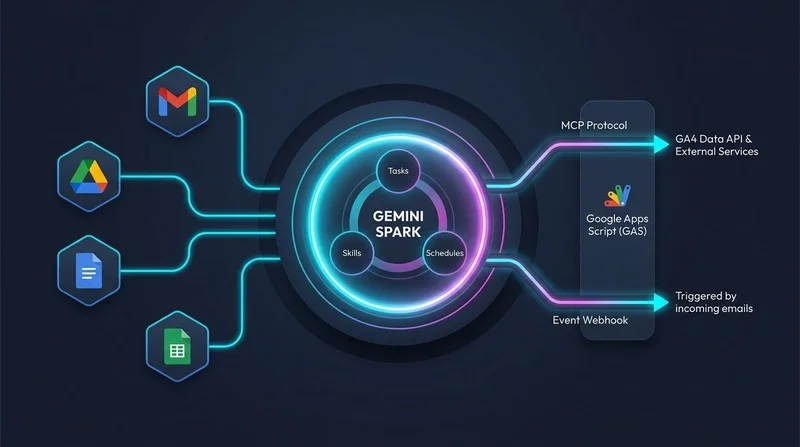
As you sift through the latest innovations and updates in AI infrastructure, two things stand out: the persistent push towards optimizing performance and connecting disparate data resources. The ability to link AI agents with unstructured data through methods like Google's Model Context Protocol could reshape how we look at data processing and AI responsiveness. If you're in this space, embracing these pioneering techniques could significantly enhance your project outcomes.
The performance metrics emerging from the GKE Inference Gateway report are striking—15.7% higher throughput and nearly 93% shorter wait times. These aren't just incremental improvements; they reflect a significant shift in how we think about AI workloads. Prefix caching, a feature that minimizes latency by retaining activation states, exemplifies innovation aimed at maximizing efficiency. Such advancements don't merely improve operational performance; they can shift the competitive landscape for businesses eager to leverage AI effectively.
That said, while these developments are promising, there's an apparent need for caution. For many organizations, understanding the implications of these new tools is crucial. Will they integrate smoothly with existing tech stacks? Are the costs associated with implementing these technologies justified by the performance gains? The answers aren’t always clear-cut.
In a space flooded with options, staying informed is your best strategy. Companies like Pager Health and Trustpilot are leading by example, showcasing how integrated platforms can eliminate fragmentation and streamlining services. Their experiences serve as practical case studies worth examining if you're contemplating similar integrations.
The advancements in products like GKE Agent Sandbox and the Google AI Edge Portal also suggest that the coming months will be pivotal for organizations looking to capitalize on AI capabilities. As these technologies evolve, early adopters will undoubtedly gain a competitive edge, while others may find themselves lagging.
In summary, the next phase of AI infrastructure is all about connection and performance—prepare for shifts that could redefine operational paradigms. Keep your eyes peeled; the developments on the horizon are sure to bring both challenges and opportunities.