DJI's Osmo Pocket 4P: A Dual-Lens Gimbal Camera Ready for Global Markets
Introduction to the Osmo Pocket 4P
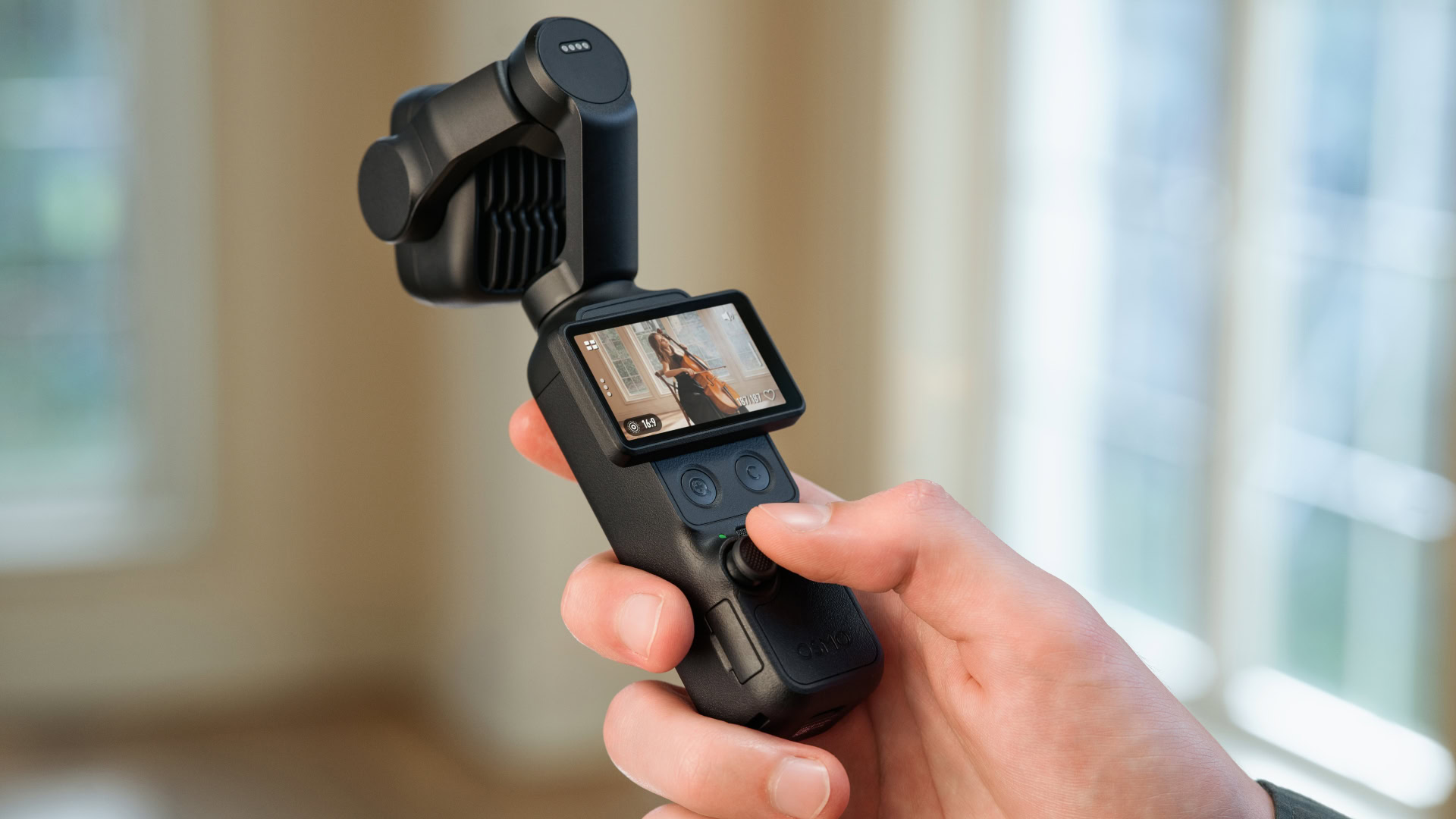
The Osmo Pocket 4P is now officially available in global markets. This isn't just a minor update; it's a significant leap in mobile cinematography technology.
DJI's original Osmo Pocket hit the market with wide acclaim, offering a compact solution for high-quality video recording, but it seems the push for improvement didn’t stop there. The introduction of the Pocket 4P illustrates a commitment to evolve and cater to a growing audience of content creators who seek professional-grade tools in a portable format.
Key Features of the Osmo Pocket 4P
This updated model introduces several noteworthy enhancements. First and foremost is the dedicated 60mm portrait lens, which allows for more artistic options in terms of depth of field and background softening—ideal for portraiture and interviews. Add a larger one-inch sensor to the mix, and you're looking at improved low-light performance and a greater dynamic range.
In terms of video quality, the addition of 10-bit D-Log 2 signifies a shift towards more advanced color grading possibilities during post-production. This aligns the device more closely with the needs of filmmakers and content creators who regularly edit footage for various platforms.
Comparative Analysis
The Osmo Pocket 4P isn’t the first mobile camera to push boundaries in this way. Similar systems typically struggle with the transition from consumer-grade products to professional tools. However, it appears DJI is bending this trend by providing features that are often found in dedicated cameras.
This isn’t just a straightforward comparison with previous models either. The landscape of mobile video recording tools has also expanded recently, with competitors like GoPro and Sony enhancing their portable cameras, each introducing standout features aimed at specific user bases.
For instance, while GoPro focuses on ruggedness and versatility for action sports, the Osmo Pocket’s strengths lie in its compact design and high-quality imaging capabilities. This positions DJI's offering uniquely between traditional camcorders and the action camera market.
Market Implications and Regulatory Challenges
One noteworthy downside is that it can't be purchased in the U.S. yet, due to pending regulatory approvals. This situation raises several questions. What's preventing the device's entry into one of the largest consumer markets? Does DJI anticipate issues similar to other tech giants facing regulatory scrutiny?
Regulatory matters can often lead to complications that delay product availability. If you're working in this space, you know that the implications of compliance or non-compliance can ripple through production timelines, marketing strategies, and ultimately, consumer access. At best, these delays could allow competitors to scoop up market share while DJI’s innovative technology remains inaccessible.
The Significance of Mobile Cinematography Today
This updated model promises to elevate mobile cinematography, a category that’s been gaining traction over recent years. With more creators relying on smartphone technology to shoot and share high-quality video content, the stakes are higher than ever.
As platforms like YouTube, TikTok, and Instagram continue to evolve, the demand for improving visual storytelling grows. Filmmakers are no longer confined to professional sets; they are capturing cinematic quality right from their pockets. However, existing technologies often don't meet these escalating demands. So what does that mean for content creators? Well, products like the Osmo Pocket 4P can provide the quality needed to stand out in a saturated market.
The Path Ahead
What this means for you—if you're a filmmaker or a tech enthusiast—is clear: the game is changing. The Osmo Pocket 4P is not just another piece of equipment; it’s a reflection of a broader trend in digital filmmaking that acknowledges the power of compact tools.
And yet, with great technology comes great responsibility. Filmmakers must now navigate the ethical landscape of content creation, ensuring that not only is the technology used effectively, but also responsibly. As audiences demand higher quality content, creators are challenged to maintain authentic storytelling without losing sight of their original voice. This balance is delicate—and often overlooked.
As DJI prepares for the global rollout, enthusiasts and professionals will be waiting to see how the Osmo Pocket 4P performs against its competition and whether it can meet the high expectations set by its own innovative features.