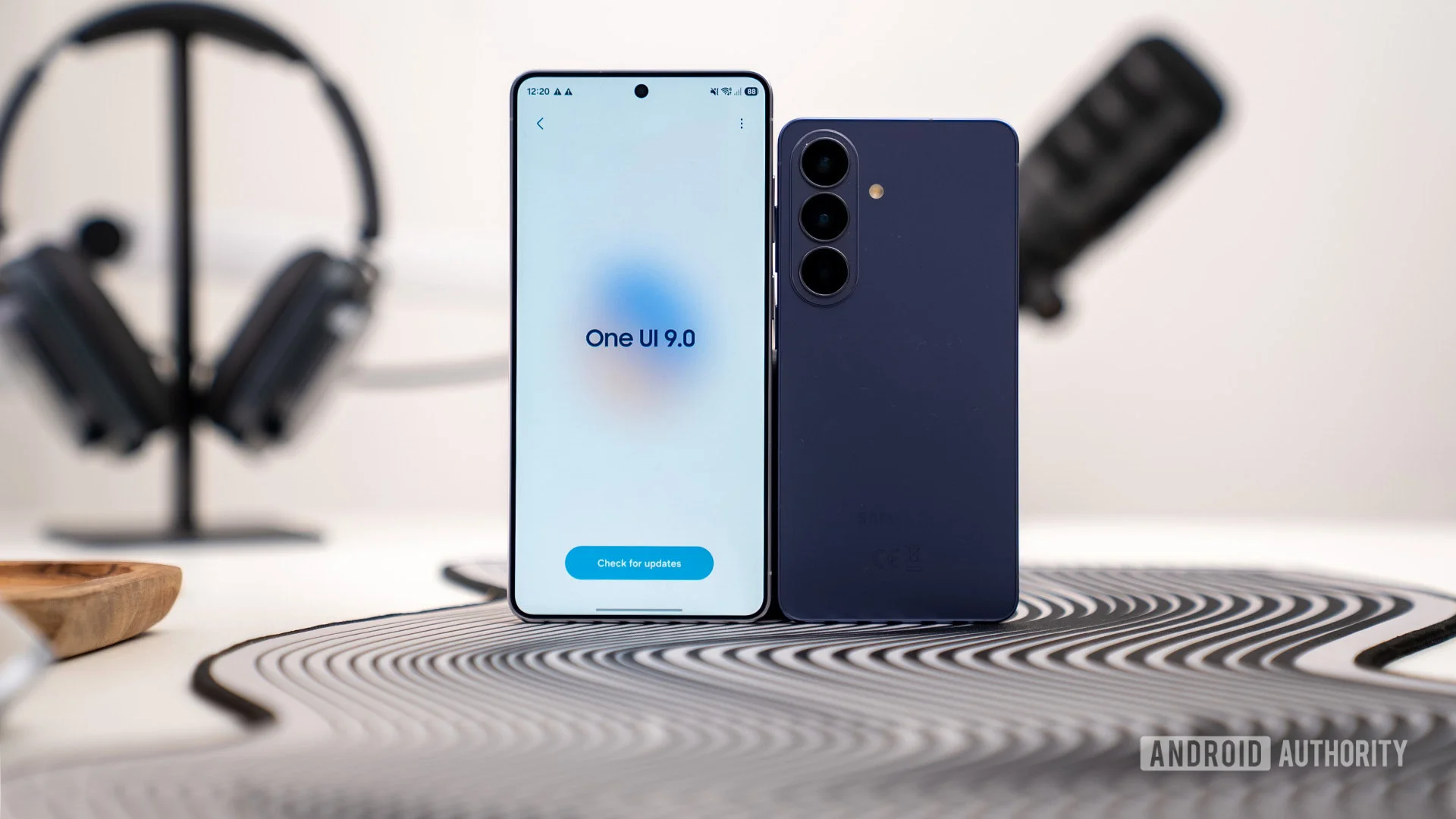
Samsung Galaxy S26 FE Camera Specs Leak: What to Expect
Upcoming Camera Features of Galaxy S26 FE
The Galaxy S26 FE is gearing up to be one of Samsung's significant smartphone launches in 2026. Recent revelations indicate that Samsung is poised to unveil this model sooner than expected. Preliminary leaks suggest not just a revamped camera design but also notable enhancements like 45W charging and the inclusion of an Exynos processor. Historically, Samsung tends to position its FE (Fan Edition) models as more affordable alternatives to its flagship series, while still delivering high-end features. This is crucial for capturing the mid-range market, especially as consumer preferences shift towards value without compromising on performance.
In the context of the tech ecosystem, the S26 FE will likely face stiff competition from other brands. Companies like Google and OnePlus are known for their aggressive pricing and advanced camera technology, putting pressure on Samsung to deliver not only improved specifications but also a compelling user experience. Expectations are high, as there's continuous demand for devices that can take stunning photos and videos, making camera features a focal point for consumers.
Sensor Specifications
We’ve identified that the upcoming Galaxy S26 FE carries the internal codename “r14,” following the previous models in this series (r13 for S25 FE and r12 for S24 FE). According to our analysis, the device will likely retain the effective 50MP Samsung ISOCELL S5KGN3 main sensor, along with the 8MP OmniVision OV08A1 telephoto sensor seen in its predecessor. Samsung’s ISOCELL line has been pivotal in enhancing smartphone camera capabilities, often leveraging unique technologies like Tetracell, which merges multiple pixels for better low-light performance.
This isn’t just about sticking to tried-and-true sensors, though. The choice to retain these sensors indicates Samsung's confidence in their performance, especially as image processing software continues to evolve. While megapixel counts are critical, it's often the software optimization that distinguishes great photographs from mediocre ones. Samsung has been investing heavily in AI-driven photography, enabling better scene detection and image enhancements tailored to various situations. So, while the specs might not show radical changes, improvements in image processing could yield significant advancements in user experience.
Additional Camera Options
Moreover, the Galaxy S26 FE will incorporate a pair of 12MP sensors—a GC12A2 and a Sony IMX825. However, the specific roles of these sensors for ultrawide and selfie functions are still under speculation. Both sensors could offer versatility for capturing diverse scenarios, such as landscape shots or group selfies. Many users look for a phone that doesn’t just take decent pictures but excels in a variety of conditions. This is particularly relevant as social media platforms demand higher-quality content, making the ability to capture stunning images more essential than ever.
Here’s the thing: the market has seen a surge in demand for ultrawide and macro capabilities in recent years. If the S26 FE can deliver superior performance with these additional sensors, Samsung could secure a stronger foothold in the mid-range segment. A well-implemented ultrawide lens means users can capture more of their surroundings—ideal for travel enthusiasts and those who love to document their experiences. Meanwhile, a solid front-facing camera will cater to the selfie crowd, which is significant given that many users prioritize this function.
Implications and Industry Context
The implications of the expected camera features in the Galaxy S26 FE are multifaceted. As competition heats up in the smartphone segment, especially in the mid-range market, manufacturers face increasing pressure to not only innovate but also to demonstrate tangible improvements in camera technology. The specifications we’re discussing indicate a progression from previous models but also a trend that’s becoming more common across the industry.
Manufacturers are beginning to realize that consumers are no longer swayed solely by higher megapixel counts. Instead, elements like low-light performance, color accuracy, and ease of use are now paramount. If Samsung can successfully integrate its existing camera technologies with enhanced software, it could set a new standard, particularly for mid-range devices. Similar systems typically focus on either performance or price, but Samsung's balanced approach could resonate well with its target audience.
It’s also crucial to keep an eye on consumer reactions as these models are released. Incremental updates, unless paired with meaningful advancements, may not yield the kind of buzz that Samsung seeks. What this means for you, the consumer, is that it’s essential to examine reviews and comparisons when the S26 FE hits the market. How does it stack against its competition? Are the user experiences aligned with the specifications?
(And this is the part most people overlook)—the narrative around a smartphone model isn’t just driven by technical specifications. User satisfaction, ecosystem compatibility, and brand loyalty play substantial roles in purchasing decisions. The expectations for the Galaxy S26 FE are undoubtedly high, and if Samsung can meet or exceed them, it might bolster its position in a saturated market. Yet, if it falls flat on execution, there could be ramifications for the overall brand, influencing future product launches.