Samsung Plans Ambitious Foldable Expansion with New Devices by 2028
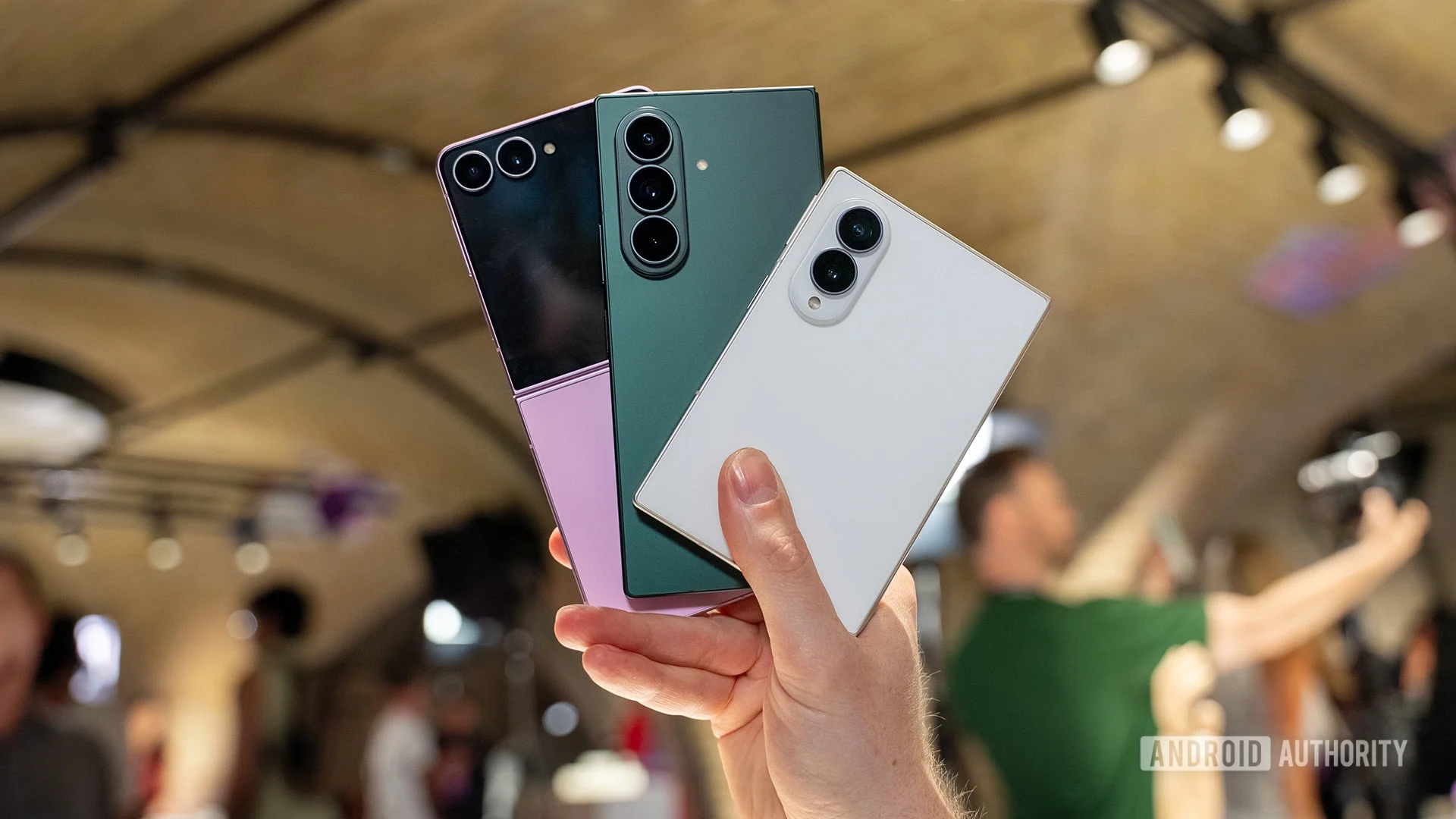
- New leaks reveal five codenames from Samsung: B9, H9, Q9A, Q9B, and Z9.
- These relate to the Galaxy Z Flip 9, Z Fold 9, Z Fold 9 Ultra, Z TriFold 2, and a "Rollable Flex" tablet, respectively.
- The expected launch dates for these devices are set for summer 2027, with the rollable tablet anticipated in early 2028.
Samsungs Expanding Foldable Strategy
Samsung is not just making iterative updates; it’s gearing up for a substantial increase in its foldable device offering. Recent leaks suggest that the schedule includes innovative entries like a second-generation tri-fold device and a unique rollable tablet expected in 2027. These developments signal a clear intention from the South Korean giant to dominate the growing foldable market, which has seen increasing consumer interest and technological advancement in recent years.
Understanding the Codenames
A report from GalaxyClub identifies five new hardware initiatives under development, indicating that Samsung is committed to expanding the foldable category. The codenames indicate a simplified lineup: “B9” for the Galaxy Z Flip 9 and “H9” for the Galaxy Z Fold 9. The other codenames—Q9A, Q9B, and Z9—refer to what are likely the Z Fold 9 Ultra, Z TriFold 2, and the "Rollable Flex" tablet, respectively. This structured approach to naming suggests a forthcoming strategy that might help consumers easily identify product tiers, enhancing brand clarity.
Current Market Landscape for Foldable Devices
Foldable phones have gained traction since Samsung launched the first Galaxy Fold in 2019. Before that, collapsible screens seemed like a distant dream, confined to sci-fi movies. Now, as Samsung pushes forward with five new models, it's worthwhile to consider why these devices are interesting to both manufacturers and consumers alike. The flexibility of a foldable device can improve multitasking, offering users a larger display in a more portable form factor. Competition has also ramped up, with companies like Motorola and Huawei having released their own innovative foldable designs. Yet, Samsung's scale and established brand presence give it a significant edge.
Tri-Fold and Rollable Tablet: What's the Buzz?
Among these new devices, the second-generation tri-fold device and the rollable tablet have particularly piqued interest. The tri-fold design allows for an impressive increase in screen area—all while keeping the form factor manageable for daily use. If executed well, it could offer users the ultimate multitasking experience. In contrast, the rollable tablet aims to combine the benefits of tablets and smartphones. Imagine a tablet that expands its display size based on user needs. This approach could redefine how devices function across different contexts, whether for work or leisure. And yet, potential technical challenges with durability and user adoption remain hurdles that Samsung must overcome.
Technical Considerations Behind Foldables
The engineering behind foldable devices is complex, demanding advancements in display technology, battery efficiency, and durability. Flexible OLED screens aren't just a marketing gimmick; they're also susceptible to wear and tear when folded and unfolded repeatedly. Samsung has invested heavily in improving the longevity and quality of these displays. For instance, early models faced criticism over screen durability; however, subsequent versions have worked to address these concerns with improved materials. Samsung’s research and development efforts have set a precedent in this category that others will surely follow.
Consumer Reception and Skepticism
Though foldable phones are gaining visibility, consumer acceptance still has a way to go. High price points and uncertainty surrounding durability remain significant barriers. People are cautious about investing in a device that might not stand the test of time, especially compared to conventional smartphones that tend to offer better value for the features. This skepticism is compounded by the early experiences of many users who faced problems with the first generation of foldables. If you're working in this space, understanding consumer psychology will be fundamental to your approach—especially if you're trying to convince users to swap traditional phones for cutting-edge, foldable alternatives.
Future Implications and Industry Impact
So, what does all this mean for Samsung and the broader tech industry? The obvious takeaway is that Samsung is doubling down on a category with enormous potential. If their upcoming devices can deliver on both performance and consumer expectations, we'll likely see increased competition in the foldable market. Other manufacturers may need to rethink their strategies to keep up. This is more significant than it looks; a successful rollout could establish a blueprint for future devices, pushing the entire industry forward.
The Road Ahead
As the expected launch dates for these devices come into focus—summer 2027 for most and early 2028 for the rollable tablet—questions about the future of foldables will intensify. Will the industry witness a major shift in user preferences leading to more consumers opting for foldable devices? Many can argue that the potential is there, given the features they offer. The sustainable growth of this sector will depend on resolving key concerns around durability, pricing, and of course, consumer education on the value opportunities of adopting such technology.
At the end of the day, Samsung's bold efforts in the foldable arena invite intrigue but also caution—largely dictated by consumer experiences in the past. As we zero in on 2027, all eyes will be on how these products are received and what they will do for the future of smartphone design.