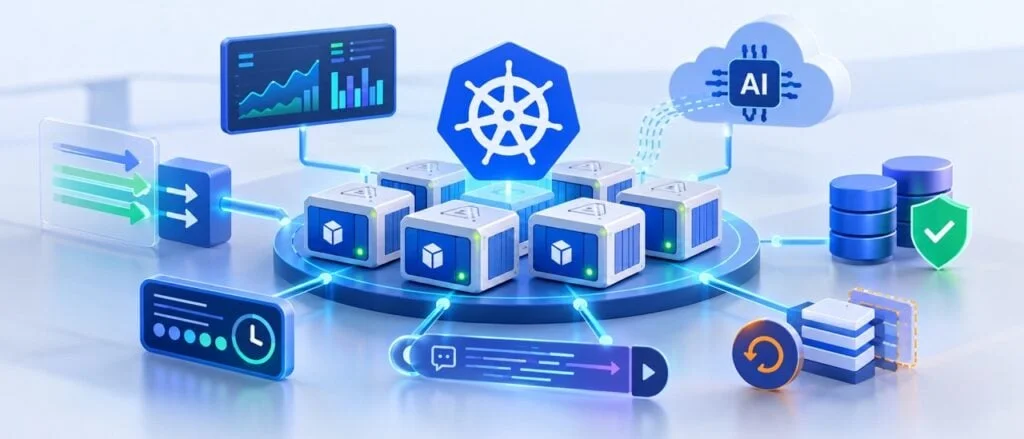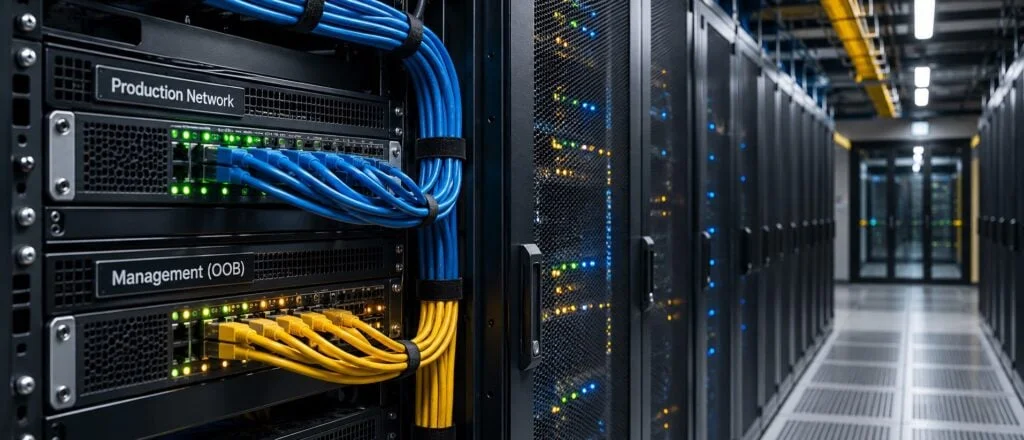
Kubernetes Resilience Depends on an Independent Infrastructure Recovery Path
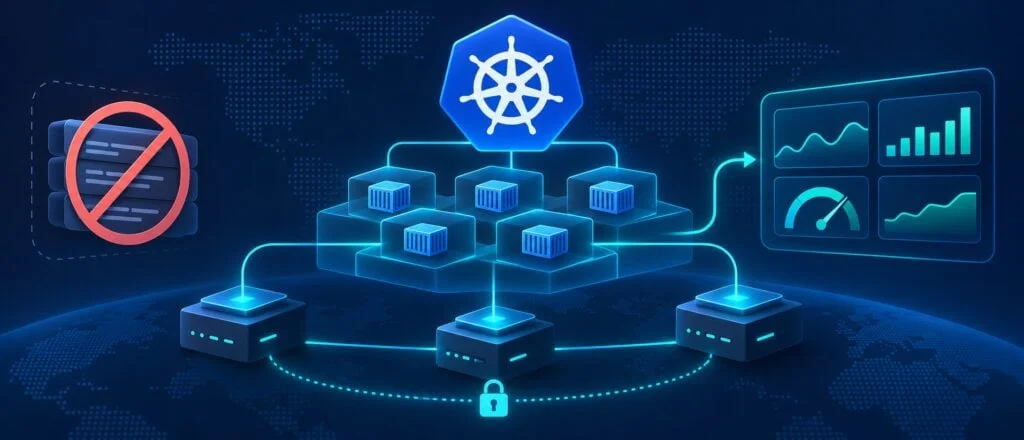
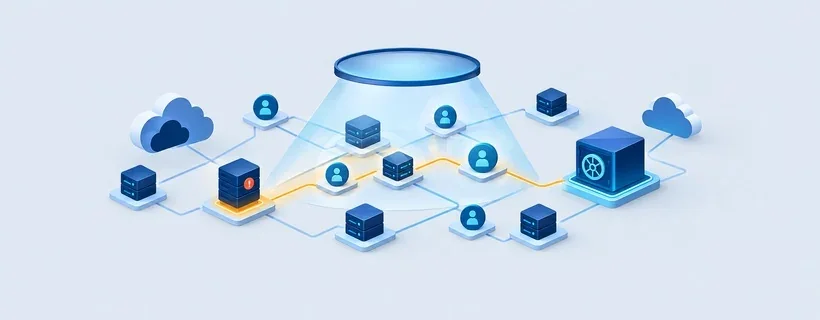
Kubernetes can keep workloads running through failures, but teams also need independent access to repair the networks and systems beneath them.
Google’s Z4M instances combine up to 168,000 GiB of local SSD with 400 Gbps RDMA for AI, databases and parallel file systems.
Arkansas is challenging VGW’s sweepstakes model and Kalshi’s sports contracts, citing $66 million in VGW sales and a lack of state gambling licenses.
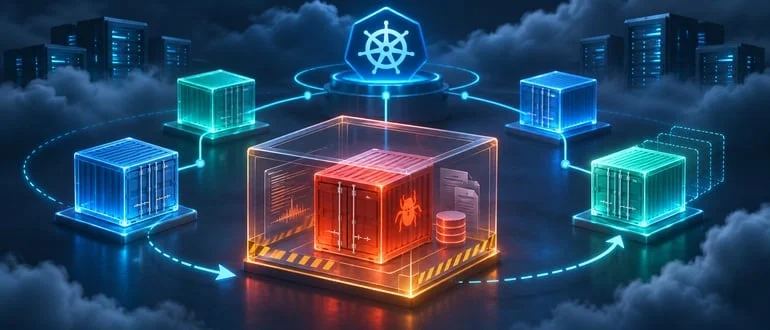
Kubernetes response automation can erase evidence or trigger configuration drift. Agentic SOCs need live cluster context and clear approval limits.
Voters in Allen, DeKalb and Steuben counties rejected casino proposals, leaving Indiana’s new license without an eligible host county.
AI is speeding up both applications and screening, creating a hiring cycle that sidelines recruiters. The lesson: design controls around human intent.
A K3s platform uses Prometheus metrics and temporary, node-local logs to investigate incidents while limiting centralized collection of user data.
Exposure context helps cloud security teams rank alerts by reachable assets, identity permissions and exploitable paths, speeding containment decisions.
Kinference helps teams manage distributed vLLM workloads, improve GPU use and route selected inference requests to cloud capacity.
GKE automates much of Kubernetes infrastructure, but low utilization persists. Workload data, smarter capacity choices and gradual changes can help close the gap.
A 2026 report finds low utilization across EKS fleets. Rightsizing, GPU sharing and smarter Spot placement can help teams match capacity to real workloads.
MCP standardizes tool connections; context layers add scoped permissions, task-specific actions and controls that keep production systems in charge.
Illinois is appealing an injunction that lets CFTC-regulated exchanges keep listing sports contracts without state licenses or taxes.
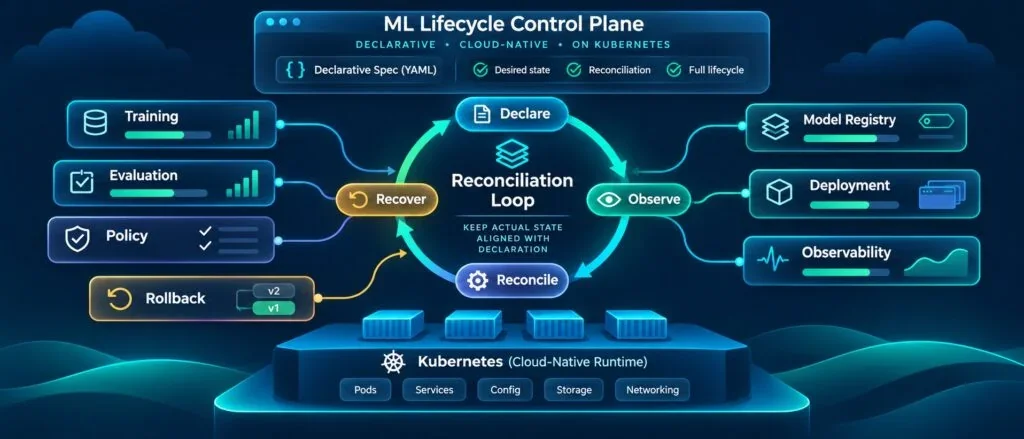
Kubernetes can run ML workloads, but declarative lifecycle controls make training, evaluation and deployment observable, recoverable and portable.
CIQ’s open-source Stratum SKE packages Kubernetes in one signed binary, with managed upgrades and permission tiers for AI agents.