South Carolina Sports Betting Plan Sets Aside 5% for Treatment
South Carolina’s proposed online sports-betting market would build gambling treatment and prevention into its revenue plan from day one. The bill’s sponsors estimate the market could eventually produce about $40 million a year, though sports betting remains illegal in the state until lawmakers approve a change. That distinction matters: the revenue figure describes a projected market, not money the state is currently collecting or a guaranteed outcome if the bill passes.
Introduced in 2025 by Sens. Tom Davis and Matt Leber, the measure would permit up to eight online sportsbook operators. The Charleston City Paper reported on the proposal, with details later summarized by GamingToday. Its funding formula is notable: treatment programs would receive a defined share of revenue rather than relying on what remains after other state priorities are funded. The structure makes prevention part of the market’s design, though the size of that allocation would still depend on how much wagering takes place and how the system is administered.
Licensing, taxes and revenue
Operators would pay a $100,000 application fee and a $1 million license fee. The proposal sets a 12.5% tax on adjusted gross receipts, with the state projecting annual revenue could reach roughly $40 million as the market matures. Those fees and the tax rate would shape the cost of entering the market, while adjusted gross receipts would determine the taxable base. The projected total is a forecast, so it shouldn’t be read as a fixed annual return.
The bill assigns 82% of proceeds to the state General Fund and 10% to local governments for infrastructure. Another 5% would go to the South Carolina Department of Mental Health for problem-gambling treatment and prevention, while the remaining 3% would support administration. A nine-member Sports Wagering Commission would oversee the system. The percentages make the distribution legible: most revenue would flow to the state, with smaller shares designated for local projects, public health and oversight.
That earmark gives the proposal a direct connection between legal wagering and public health services. It also raises a practical question: whether the dedicated share would be sufficient to meet demand if betting participation grew. States are also considering how gambling disorder fits into broader behavioral health programs; Illinois’ recognition of gambling disorder as a behavioral health condition is one example. South Carolina’s proposal links funding to betting revenue, which could make the available amount rise or fall with the market.
South Carolina’s place in the betting debate
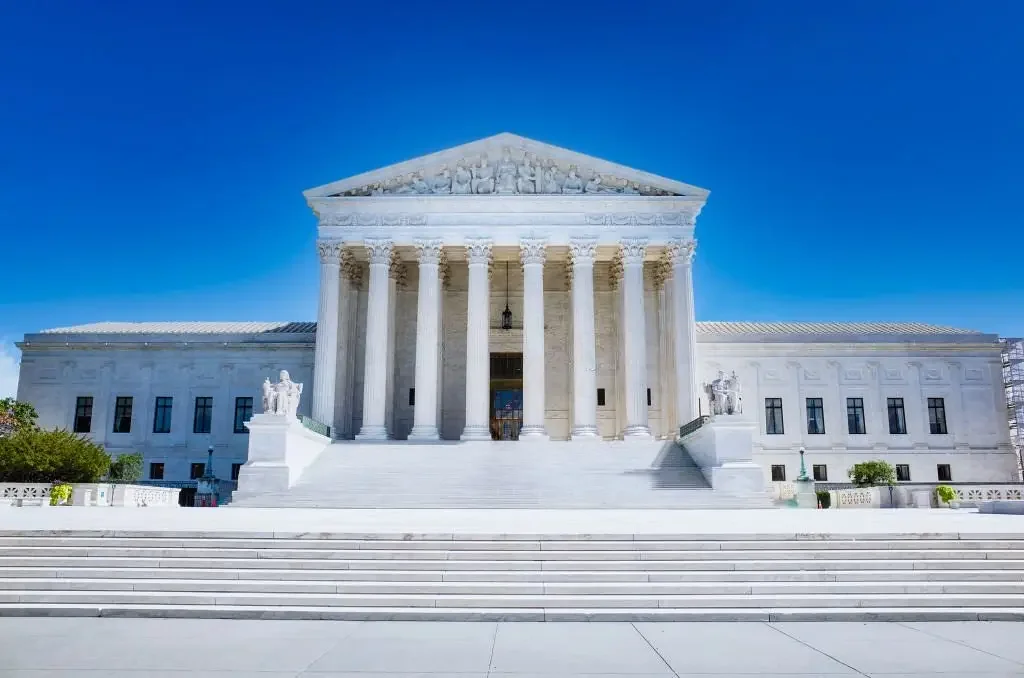
Since the 2018 U.S. Supreme Court decision that allowed states to regulate sports betting, 39 states and Washington, D.C., have legalized and taxed it, according to the reporting. South Carolina has not. Residents are described as using gambling apps, fantasy sports products, prediction markets and offshore sportsbooks despite the state’s ban. That range of products complicates the debate: lawmakers are weighing a proposed sportsbook system against wagering activity residents may already access through different channels.
Previous efforts have had limited progress. A pari-mutuel horse-wagering bill passed the South Carolina House in 2023 but stalled in the Senate. The Davis-Leber proposal reaches further by establishing a system for online sportsbooks. That broader scope means the debate would cover licensing, tax collection, enforcement and treatment funding together, rather than focusing on a single form of wagering.
The Charleston City Paper cited a New York Federal Reserve report arguing that states without legal sports betting may absorb costs tied to cross-border wagering while collecting no tax revenue. The claim frames legalization as a fiscal question as well as a policy choice, but it doesn’t settle the public health debate. A regulated market could create a dedicated funding stream and formal oversight; whether those measures would keep pace with betting activity is a separate question.
North Carolina offers a nearby reference point. Its regulated sports-betting market has expanded, while South Carolina’s proposal would set a separate structure for licenses, taxes and public funding. North Carolina’s sports-betting model provides context for the regional debate. For South Carolina lawmakers, the comparison may help clarify the practical choices in the bill, but it doesn’t determine what structure the state should adopt.
Political support comes with conditions
Republican nominee Alan Wilson opposes legalizing casinos, even with voter approval, but has said he would consider online sports betting with restrictions. He has pointed to the fact that residents can already wager online and argued that regulation should address that activity. His position leaves room for a narrower betting proposal while drawing a line around casino legalization.
Democratic nominee Jermaine Johnson supports taxing and legalizing online sports betting only if voters approve it first. He has cited gambling addiction in his family and called for protections, prevention programs and treatment resources to be in place from the start. The difference between the candidates is partly about process: Wilson has emphasized restrictions and existing activity, while Johnson has made voter approval an explicit condition.
What the proposal would put to the test
The earmark is more significant than it looks. It would make treatment and prevention a stated public purpose of the market, rather than an afterthought in the revenue debate. And yet, assigning a percentage doesn’t by itself show how services would be delivered or whether the amount would match need. (And this is the part most people overlook.) The funding mechanism would depend on the success of the betting market it is meant to address.
If you’re working in this space, the proposal’s key test is whether its safeguards and oversight can be made concrete alongside its licensing and tax rules. The bill’s future depends on legislative action, while the candidates’ positions leave voter approval and the reach of consumer safeguards unresolved. For now, the bill remains a plan; South Carolina’s ban is still in effect. A market that exists only on paper. That said, the debate has already exposed the central trade-off: whether legal access, public revenue and treatment funding can be designed to work together.
The post Treatment funds in proposed South Carolina online betting plan appeared first on ReadWrite.