New York's Legal Clash with Polymarket Highlights Sports Betting Tax Dilemmas
New York's lawsuit against Polymarket is spotlighting the complex dynamics between traditional sports betting and emerging prediction markets. This legal battle hints at broader implications for the state's betting tax revenues, which exceed $1 billion annually. The crux of the issue lies in whether prediction platforms should be subjected to state gambling regulations or can operate as federally governed entities, potentially bypassing significant taxation.
Potential Revenue Losses
In just the first quarter of 2026, New York's mobile sports betting produced around $328 million in tax revenue, contributing to roughly one-third of the total national sports betting taxes. This figure signifies not just an impressive source of funding but also the foundation for various social programs dependent on this income. With licensed sportsbooks facing an eye-watering 51% state tax rate, even a modest migration of wagering activity to prediction markets could lead to significant revenue shortfalls. An analysis from the Tax Policy Center suggests that if just 1% of sportsbook activity transitioned to platforms like Polymarket, New York could see a $13 million dip in tax income. That's not trivial; it could impact state budgets significantly.
Industry Perspectives on Customer Migration
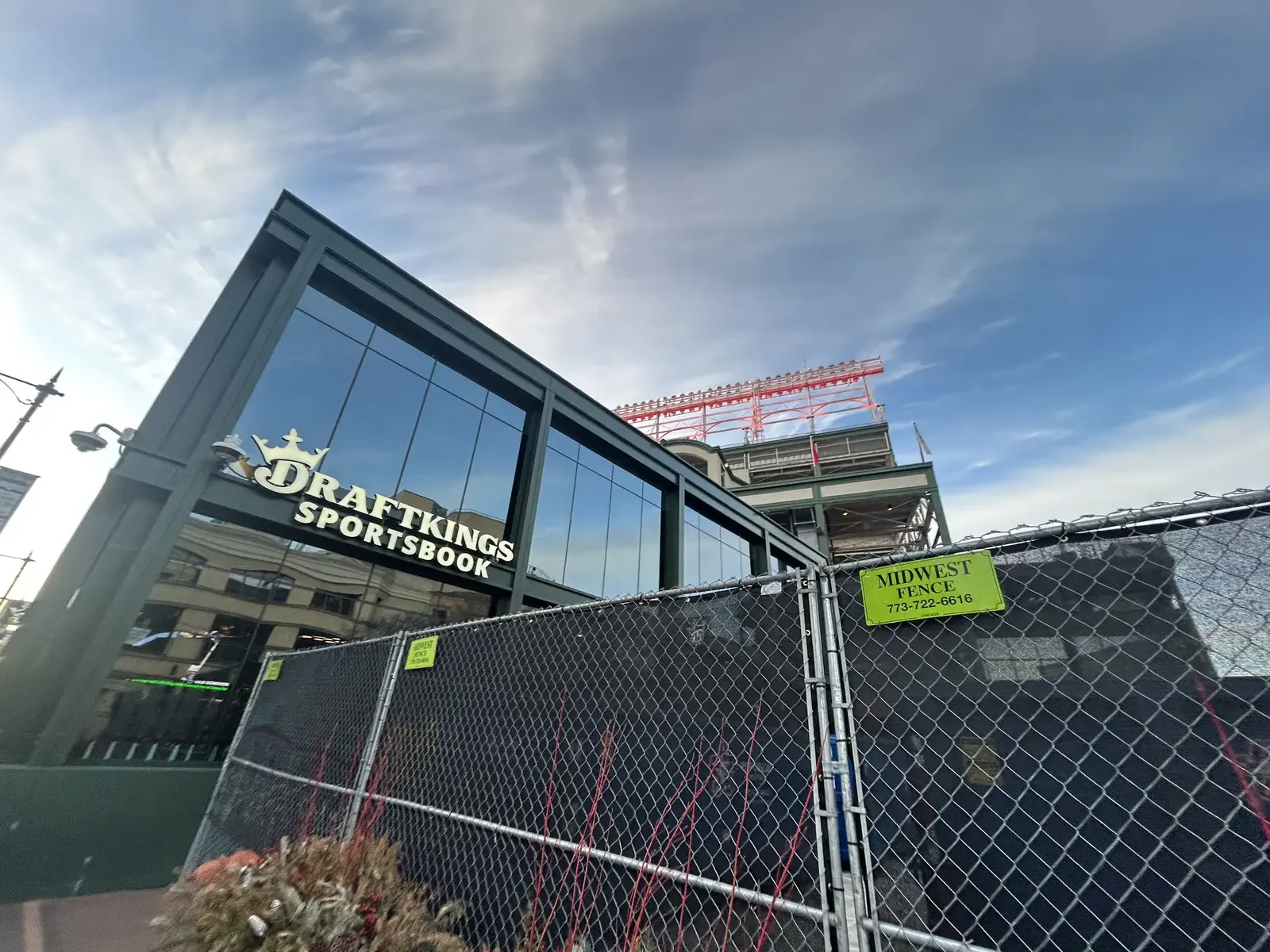
Operators like DraftKings are already monitoring customer behaviors closely in light of these developments. A DraftKings spokesperson noted that only about 1% of their bettors overlap with Kalshi, a competitor in the prediction market space. This observation counters the Tax Policy Center’s estimates about the potential revenue drain for New York’s sportsbooks. It raises a critical question: Are we genuinely witnessing a consumer shift toward these new platforms, or are they merely tapping into a different pool of bettors?
Not all market players agree with the notion that prediction markets are siphoning business from traditional sportsbooks. Kalshi's spokesperson emphasized their commitment to adhering to federal regulations while contributing to state tax revenues, arguing that this distinguishes them from state-regulated gambling entities. Yet, New York's legal stance challenges this view, potentially complicating future tax frameworks. The conflict between differing regulatory perceptions is now at the forefront of the gambling debate, creating uncertainty that could affect long-term strategies.
Challenges Posed by Growth in Gambling
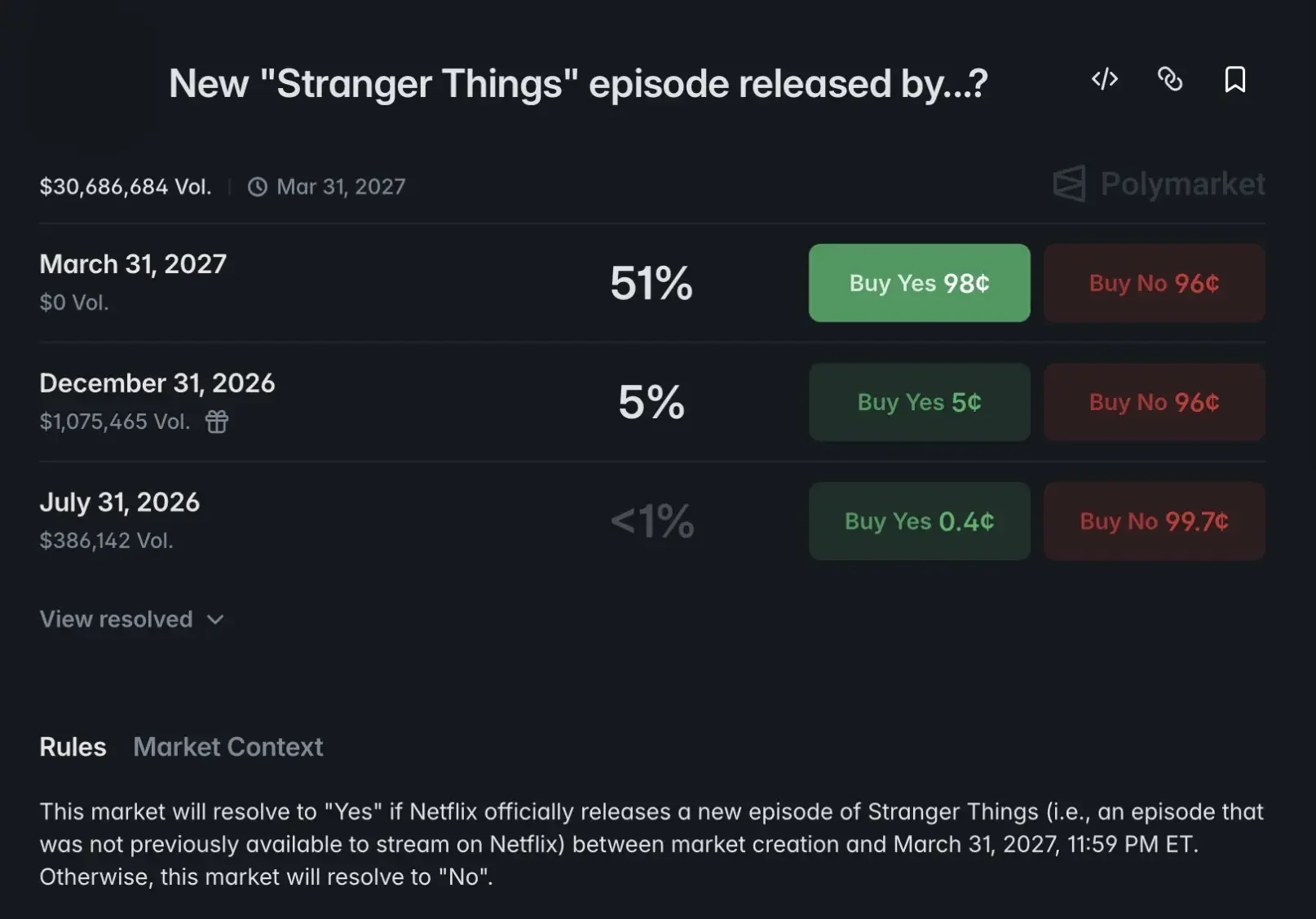
The rapid expansion of prediction markets has raised eyebrows throughout the industry. Growth metrics indicate a surge in activity within prediction markets since they introduced sports contracts. Kalshi reported nearly a thirteenfold increase in trading volume, while Polymarket also experienced rapid expansion post-launch. These numbers suggest rising interest and participation, yet they don’t clarify how much business has actually shifted from state-licensed sportsbooks to these platforms. This ambiguity can stir concern, especially among policymakers who rely on solid data to forecast future tax revenues.
The implications of this shifting climate extend beyond just immediate tax concerns. New York has reported an 8.5% increase in calls to its gambling hotline since 2020, prompting the state to double its funding for problem gambling services from $6 million to $12 million. If prediction markets attract an increasing number of gamblers, the situation could create significant challenges for existing state policies. This is the part most people overlook: the social costs associated with increased gambling participation. As the industry grows, so too does the potential for gambling addiction and its impact on public welfare.
Additionally, the inherent volatility of sportsbook revenues can be exacerbated by outside competition. For example, the New York Knicks made an unexpected run to the NBA Finals, causing mobile sportsbooks to incur a $14.4 million gross revenue loss. Maria Doulis from New York’s budget and policy office highlighted that fluctuations in both traditional and new markets could have serious financial repercussions for the state. This volatility serves as a reminder that the betting environment is fragile and can be influenced by unpredictable factors, such as team performance or regulatory changes.

Future Outlook: What’s Next?
As for next steps, New York has not yet established a timeline or clear procedural outline regarding its legal challenges against Polymarket. The state now faces a pivotal question: Can prediction markets continue to thrive without undermining the existing sportsbook framework and their tax contributions? If you're working in this space, this uncertainty complicates planning. Stakeholders are left waiting, watching to see how regulations will evolve.
It's clear that the stakes are high for both traditional sportsbooks and new competitors like Polymarket and Kalshi. As the legal battles unfold, the potential for precedent-setting outcomes looms large. The direction this situation takes could reshape the betting environment in New York and possibly influence other states grappling with similar issues. As we watch these developments, one thing's certain: the outcomes will have lasting implications for how gambling is conducted and regulated across the country.