Polymarket Battles New York's Gambling Regulations in Court
On Thursday, New York Attorney General Letitia James initiated a legal confrontation with Polymarket, accusing the prediction market platform of operating as an unlicensed gambling entity. In a rapid counter-response, Polymarket filed a federal lawsuit asserting that the Commodity Futures Trading Commission (CFTC) possesses exclusive authority to govern prediction markets, thereby limiting New York's jurisdiction over its operations. This clash underscores a broader tension between state and federal regulatory frameworks, particularly in fast-evolving sectors like online prediction markets.
Legal Challenges and Allegations
James' lawsuit alleges that Polymarket failed to secure the necessary license from the New York State Gaming Commission. By skirting these regulations, the platform is accused of not only undermining state law but also posing risks of gambling addiction, especially for users under 21. One notable claim from New York officials cites a wager on whether the Los Angeles Dodgers would outperform the New York Mets by more than 1.5 runs in July 2026, a nostalgic gamble that hints at the platform's appeal among sports enthusiasts. The Dodgers did indeed win that match, demonstrating that even seemingly trivial bets can lead to significant financial stakes. The state seeks penalties that could include hefty civil fines, which may severely impact Polymarket’s revenue within New York.
This scenario raises larger questions about accountability in digital gambling spaces. As more platforms emerge, the spectrum of gambling behavior can be difficult to monitor and regulate effectively. What constitutes a legal bet may vary widely; regulations often lag behind technology, leading to confusion and misapplication of existing laws. The allegations against Polymarket don’t simply target one company but reflect a growing concern about online prediction markets and their potential effects on vulnerable demographics, particularly young individuals.
Continuing Legal Pressure on Prediction Markets
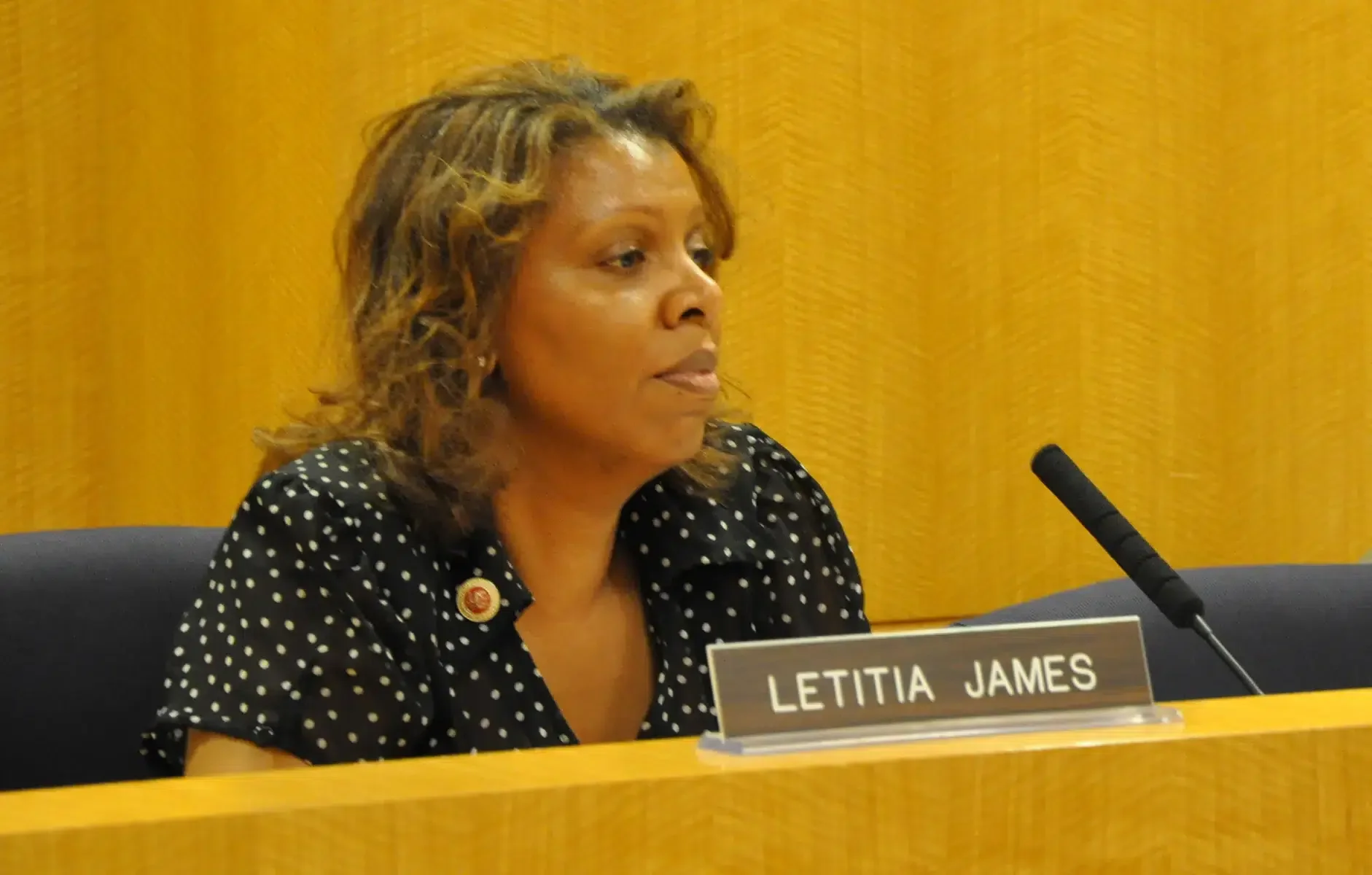
This development is a part of a broader strategy by James to regulate online gambling platforms more strictly. Earlier this year, several companies, including Kalshi and Coinbase Financial Markets, found themselves facing similar charges related to operating without the required state licenses. These cases reflect an increasing sentiment among state authorities to assert jurisdiction over digital betting schemes, showcasing a pattern that suggests a more comprehensive crackdown on unregulated online platforms. It's not uncommon for state regulators to be concerned about exposing youth to potential gambling dangers, which is a recurring theme in these controversies.
Founded in 2020, Polymarket reestablished its presence in the U.S. market only in December 2025, after gaining CFTC approval. Yet its current legal troubles reveal the complexities inherent in the online betting sphere, where state and federal laws can clash. The notable backing Polymarket received from investors, including 1789 Capital—associated with Donald Trump Jr.—adds another layer of scrutiny and interest, complicating the narrative further. Investors like these often attract press attention, creating a spotlight that regulators may find hard to ignore.
Polymarket's Legal Defense
In its preemptive legal action, Polymarket challenged New York's enforcement efforts, asserting that complying would endanger their federal rights while risking potential criminal prosecution. The company describes the state’s claim as an overreach of authority under federal law, a tactic not uncommon in disputes where state and federal jurisdictions intersect. According to Polymarket’s chief legal officer, Neal Kumar, the organization made attempts to resolve disputes with state officials outside of court, but those efforts were rebuffed, creating the current impasse. The legal maneuvering here sheds light on the delicate balance between state interests and federal regulatory frameworks, illustrating how companies may navigate this complex environment.
New York's stance suggests that prediction contracts equate to gambling since they allow users to wager on uncertain outcomes without control over the events, projecting expectations of profit based on their predictions. Compounding the problem, Polymarket has been accused of enabling participation from users aged 18 to 20—directly challenging state laws that require participants to be at least 21 for mobile sports betting. It’s the kind of regulatory gap that leaves companies vulnerable to legal action, and for users, it opens discussions about responsible gambling practices.
Future Implications
As both legal cases move through different courts, James' arguments will be examined in the New York state court, while Polymarket's federal stance remains unresolved. The central issue at play is whether state gambling regulations can extend to a platform that claims federal jurisdiction over its operations. Federal appeals courts have offered divided receptions to similar arguments in the past. If the judicial circuit fails to reach a consensus, a definitive resolution may eventually require intervention from the U.S. Supreme Court. That's where things get really complicated—an issue like this could set a significant precedent for how state and federal authorities regulate online markets.
This legal battle isn't just about Polymarket anymore. It represents the overarching conflict between traditional gambling regulations and modern, decentralized platforms that challenge existing frameworks. If you're working in this space, this case could influence where and how prediction markets operate in the coming years. Companies must tread carefully, as failure to comply with a myriad of state laws could lead to dire consequences, not just in New York but across the nation.
The post Polymarket Battles New York's Gambling Regulations in Court appeared first on ReadWrite.