Groundcover Enhances Its Observability Platform with Wand Acquisition
Key Highlights of the Acquisition
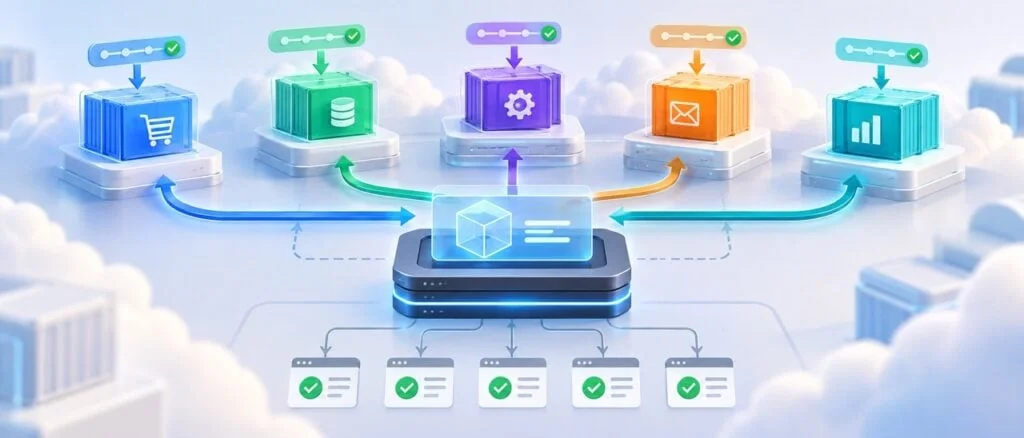
Groundcover has made a strategic move by acquiring the Wand platform, a tool designed to optimize resource consumption within Kubernetes clusters. While the financial details of the acquisition remain undisclosed, this development signals Groundcover's commitment to enhancing its observability solutions. The integration of Wand's capabilities not only enriches Groundcover's existing offerings but also aims to provide users with more efficient and responsive resource management. This is more significant than it looks; in a time when cloud costs are mounting, innovative solutions are desperately needed.
Resource Optimization at Its Core
According to Groundcover's CEO, Shahar Azulay, this acquisition addresses a prevalent gap between observability functions and IT infrastructure automation. The Wand platform stands out with its ability to analyze workload behavior across an entire Kubernetes cluster, moving beyond the conventional approach that focuses on individual workloads. This holistic perspective allows for real-time adjustments of CPU and memory resources, directly contributing to significant reductions in infrastructure overprovisioning.
The simplicity of deploying Wand is another factor that adds to its attractiveness. By utilizing existing Helm charts, which many IT teams are already familiar with, organizations can track cluster management changes effectively. This operational transparency is crucial for ensuring that teams can identify inefficiencies, reallocate resources promptly, and maintain structural integrity within the cloud framework. Ultimately, effective resource optimization must be rooted in clear visibility.
Enhanced Efficiency with BYOC Data Plane
Groundcover's ambitions extend to improving the efficiency of its Bring Your Own Cloud (BYOC) data plane through Wand's capabilities. This model presents a novel way for organizations to visualize the resources consumed by Groundcover directly on customer cloud bills. By enhancing storage and processing efficiency, companies can reduce costs. This is particularly relevant as companies look to manage expenses while grappling with the need for high-fidelity telemetry data. Retaining such data provides engineers with a richer context for decision-making, allowing them to make informed adjustments to their cloud resources.
The Rising Importance of Kubernetes Resource Optimization
As hardware costs soar, optimizing resource utilization on Kubernetes clusters has become a hot-button issue. This concern is compounded by a significant shortage of available hardware, particularly as many organizations shift their focus toward deploying resource-intensive AI applications. These transitions strain existing infrastructure, requiring careful management of computing resources to avoid performance bottlenecks.
The scarcity of GPUs—a critical component for running AI workloads—means IT teams are under pressure to maximize utilization rates. Alarmingly, GPU usage in servers often remains in the single digits, which raises red flags for decision-makers. Azulay emphasizes that improving these underwhelming utilization rates is essential not just for economic reasons, but also for operational efficiency in deploying a growing number of AI applications.
A Manual Approach Versus Automation
Currently, a widespread practice among IT teams involves manually configuring their Kubernetes clusters, which often entails estimating CPU and memory requirements before deploying applications. This "guessing game" isn't just impractical; it leads to wasted resources that could otherwise be optimized through automated management frameworks. Azulay highlights that without tighter automation, autonomy within cluster management continues to be a challenging endeavor.
Existing autoscalers in the Kubernetes ecosystem can sometimes worsen the situation by automatically scaling workloads without considering the broader resource impact on the entire cluster. The future, as various experts suggest, lies in leveraging automated frameworks that handle both vertical and horizontal scaling while also optimizing overall resource usage. This transformation has the potential to mitigate inefficiencies and translate directly into cost savings.
The Path Forward
Ambitiously, Groundcover aims to simplify Kubernetes management for all administrators. However, the success of this initiative hinges heavily on integrating IT automation powered by AI. This integration represents a realistic pathway to achieving streamlined operations within Kubernetes environments. The landscape is shifting, and tools like Wand position companies at the forefront of aligning observability insights with resource management strategies. Such alignment promises to drive enhanced operational efficiency, but it requires ongoing assessment and adjustment as technology evolves.
Implications and Future Outlook
The acquisition of Wand could hint at a broader trend within the tech industry, where companies acknowledge the need for integrated observability and infrastructure management solutions. If you're working in this space, be prepared for a seismic shift in how Kubernetes platforms are managed. Organizations might start to prioritize tools that offer a comprehensive suite of observability and automation capabilities, looking for that vital synergy between workload management and resource optimization.
The implications extend beyond just Groundcover and the Wand platform. As more companies adopt AI-driven applications, the need for efficient resource management will only grow. Companies that can navigate this complexity will likely gain a competitive edge in their respective verticals. We'll be watching closely to see how Groundcover's integration efforts play out and what new benchmarks will emerge in resource optimization.