How Recorded Future's Data Integration Enhances Threat Detection and Response
Visibility and Speed: A New Approach to Threat Intelligence
In today’s cyber battlefield, speed and visibility are more than just buzzwords — they are necessities for effective threat intelligence. The stakes couldn't be higher. Attackers continue to evolve their tactics, and many cybersecurity firms focus on niche areas like dark web tracking or specific malware behaviors. This tendency can result in significant blind spots, compromising the broader view needed to understand complex threats. Attackers often leverage a mix of tactics borrowed from both nation-state actors and common criminal enterprises, which complicates the security landscape further. To ensure a proactive defensive strategy, organizations must expand their vision and address these potential blind spots.
The Power of Comprehensive Sourcing
Recorded Future positions itself as a heavyweight in the intelligence game by aggregating data from more than a million diverse sources, encompassing technical fields, open data sets, and the murky waters of underground exchanges. This isn’t just an impressive tally of data; it’s about crafting actionable insights that highlight threats other systems may overlook. For example, significant threats often don't reveal themselves through isolated events. Instead, they emerge from complex patterns that span large data sets. This means that if you’re relying on smaller, more focused collections of data, you may miss critical signs of emerging threats.
Identifying Hidden Threats
Imagine a security team operating without complete visibility into its outbound traffic. In such a scenario, even minor anomalies can escalate into serious risks. Recorded Future’s Network Intelligence can flag unusual activity on certain ports, igniting investigations that might unearth unauthorized command-and-control communications. This type of extensive telemetry is vital — it connects disparate pieces of information to reveal hidden aspects of an attack. These insights enable security teams to act on threats that might otherwise fly under their radar.
From Data to Intelligence
A key differentiator in cybersecurity is the distinction between raw data and genuine actionable intelligence. Threats don’t arise from standalone sources; rather, adversaries maneuver through a network of channels—from malware frameworks to social engineering antics. For an organization to effectively detect threats, it needs a holistic view that encapsulates this dynamic behavior. If you're grappling with disparate data that lacks cohesion, you're likely at a major disadvantage. This situation demands a more integrated approach to threat intelligence.
A Unified Intelligence Strategy
Recorded Future has taken a significant step forward by integrating insights across four distinct domains, allowing organizations to track threats throughout their lifecycle—from the initial phase of reconnaissance to their eventual exploitation. This unified approach is especially pivotal when selecting a threat intelligence vendor; the richness of data across diverse sources translates to improved detection and response capabilities. It’s not just about having more information; it’s about being able to act on it before a threat materializes.
Proactive Defense in Action
One aspect that truly distinguishes Recorded Future is its capacity to turn a wide array of data into actionable intelligence, which is critical for implementing proactive defenses. Many clients actively use this intelligence to identify emerging threat actors. Once a new adversary is spotted, organizations can immediately deploy detection rules tied to their tactics. This can prevent potential breaches from escalating into full-blown incidents. Being one step ahead can truly reshape the way an organization handles threats — catching phishing campaigns before they compromise critical systems can mitigate costly damage.
Evaluating Threat Intelligence Solutions
When assessing threat intelligence platforms, you need to ask the right questions about their data sources. What kind of information is integrated? How do these data pieces interrelate to form a complete picture? Are there potential intelligence gaps that could leave your organization exposed? If you're working in this space, understanding the nuances of how data is applied can significantly impact the security stance of your organization.
The Intelligence Graph®: Connecting the Dots
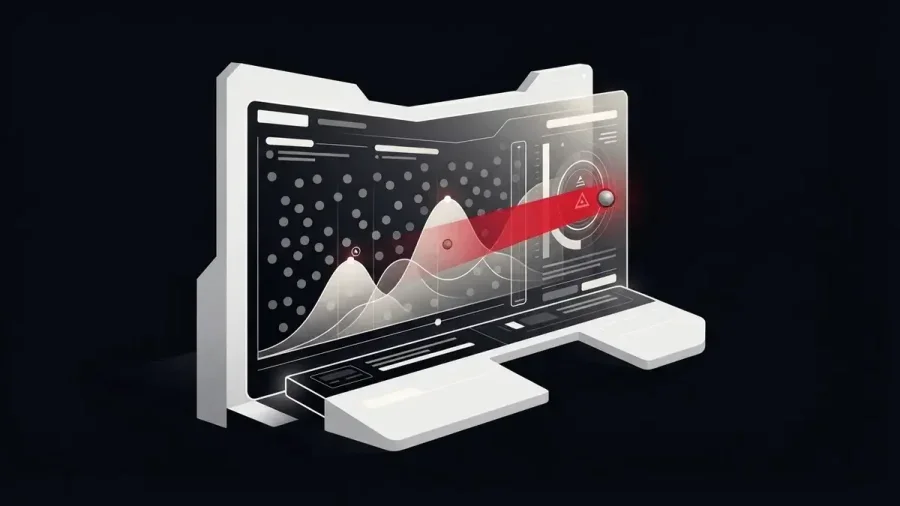
At the heart of Recorded Future's intelligence capability is the Intelligence Graph®, which interlinks billions of data points tied to threat actors, vulnerabilities, and their corresponding tactics. Powered by AI, this platform automatically identifies connections across various data sources in real time, providing insights tailored to the specific threats facing an organization. The implications of such a system are profound; organizations can now understand not just the "what," but the "why" and "how" behind threats, allowing for more informed decision-making. (And this is the part most people overlook.)
Future Outlook: The Road Ahead for Threat Intelligence
As the cybersecurity landscape continues to evolve, the need for sophisticated threat intelligence will only grow. Organizations must not only embrace comprehensive solutions but also adapt to shifting tactics employed by adversaries. Staying informed about advancements in AI and data integration will be vital. Threat actors are likely to continue refining their methods, making it essential for security teams to keep pace with the latest developments in threat intelligence.
Stay tuned for upcoming insights into the four key categories of data sources that Recorded Future indexes. This next installment will delve into how these data types collectively reveal significant threats, empowering organizations to neutralize risks before they escalate.
To explore how Recorded Future can help your organization mitigate intelligence gaps, request a demo today.