Embracing Continuous Assurance: Transforming GRC for Modern Cloud Frameworks
The traditional governance, risk, and compliance (GRC) model is rapidly becoming outdated. Previously, organizations operated under a simple process: establish a control, document its status, routinely test it, and compile periodic reports for audits. This model functioned adequately in a slower-paced IT landscape with monolithic applications. However, the environment has irrevocably changed.
In cloud-native ecosystems characterized by Kubernetes, serverless architectures, and ephemeral containers, infrastructure now evolves hourly rather than quarterly. These dynamic environments push the boundaries of outdated GRC frameworks, compelling organizations to reconsider their compliance strategies.
The Shortcomings of Periodic Controls
Conventional GRC frameworks, such as SOC 2, ISO 27001, PCI DSS, and NIST 800-53, were developed for static infrastructures where controls could be validated and then set aside until the next audit. This works well for on-premises systems but falters in the cloud-native world. For instance, if a compliance team verifies that S3 buckets are encrypted in March, but by April a new microservice creates another bucket with different access permissions, the earlier validation becomes obsolete almost immediately.
Such situations underscore why periodic audits offer inaccurate snapshots of compliance. The rapid pace of development means that waiting for a monthly or annual assessment can leave organizations vulnerable and unaware of significant compliance risks.
The Case for Continuous Assurance
Continuous assurance flips the question of compliance from "Are we compliant?" to "Are we compliant right now?" This proactive approach treats compliance as an ongoing effort, aligning it with the practices already employed in tech, such as monitoring uptime or response times.
The inherent programmability of cloud-native infrastructure facilitates continuous assurance. Automation, declarative infrastructure, and widespread APIs, initially challenges for governance, become enablers of real-time compliance assessment. Here are key principles that underpin this shift:
- Controls as Code: With infrastructure being described using tools like Terraform or CloudFormation, compliance rules can be expressed as code. Policy-as-code solutions like Open Policy Agent (OPA) and Kyverno enable organizations to define and enforce compliance policies at every deployment.
- Automatic Evidence Generation: Rather than gathering documentation post-facto, continuous assurance integrates evidence generation directly into CI/CD pipelines. This means compliance evidence is automatically recorded, allowing for ongoing readiness for audits without the last-minute scramble.
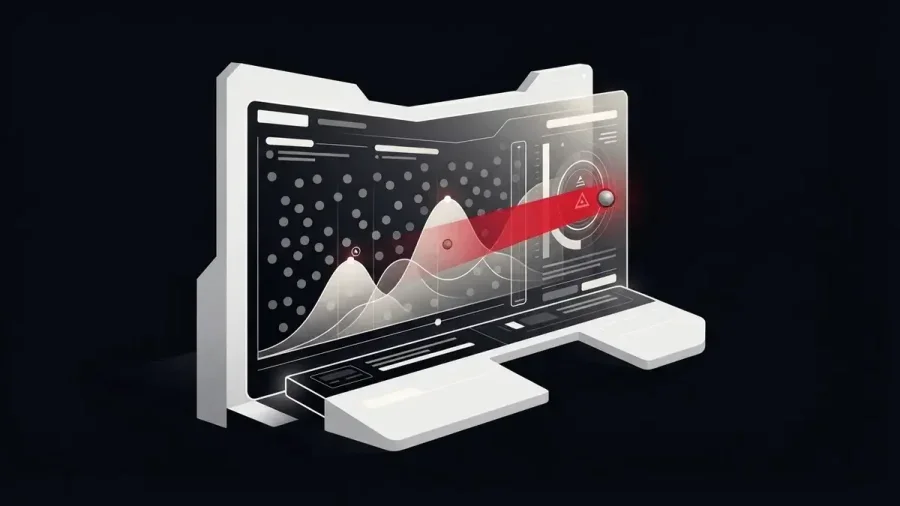
- Immediate Drift Detection: Automated tools identify deviations from compliance requirements in real-time, catching issues such as overly permissive access controls and vulnerabilities before they cause harm. This active monitoring is far more effective than waiting for periodic reviews.
- Dynamic Risk Scoring: Rather than static risk assessments conducted quarterly, continuous assurance allows teams to calculate their risk posture based on live telemetry, reflecting the current environment rather than outdated snapshots.
Implications for GRC Teams
Transitioning to continuous assurance not only demands new technology but also a fundamental reconfiguration of GRC processes and stakeholder involvement. Compliance must be integrated into development pipelines, creating a collaborative culture between GRC, security, and development teams.
The nature of audits will also evolve. Continuous assurance doesn't eliminate the need for external validation. However, auditors benefit from a constant stream of evidence rather than relying on piecemeal documentation submitted just before a compliance review. This evidential stream provides access to continuous metrics, allowing auditors to assess compliance trends over time.
Organizations will move towards a model emphasizing long-term compliance posture rather than a simple pass or fail for annual assessments. Metrics showcasing how issues are addressed, the frequency of compliance drift, and the time until detection provide deeper insight into risk management than traditional methods.
This evolution will likely drive a move towards fewer siloed tools. Organizations often use disparate systems for security management, vulnerability assessments, and compliance reporting, each providing its own metrics. With continuous assurance, the need for consolidated tools that correlate compliance data becomes evident, supporting a unified view of infrastructure security and compliance.
Cultural Transformation Requirement
Yet, beyond the technical aspects, a cultural transformation is essential. Traditional GRC teams often operated cyclically, focusing on outcomes from annual audits. Continuous assurance requires GRC teams to engage in all-time compliance management, working closely with engineering teams to incorporate compliance controls naturally into the development process.
Successful organizations that have adopted this approach begin with selecting a few essential controls. They translate these into policy-as-code and integrate them into their existing CI/CD pipelines for automatic evidence generation. This process gradually expands, making compliance a seamless element of daily operations rather than a special initiative.
The Future of Compliance
In the realm of cloud-native systems, the rapidity of change invalidates traditional annual audits and static compliance checklists. Continuous assurance emerges not just as a compliance trend but as a necessity to maintain robust security and compliance postures in a fast-evolving infrastructure landscape. Organizations embracing continuous assurance will not only fare better in audits but will also possess a more comprehensive, real-time understanding of their compliance and security frameworks.