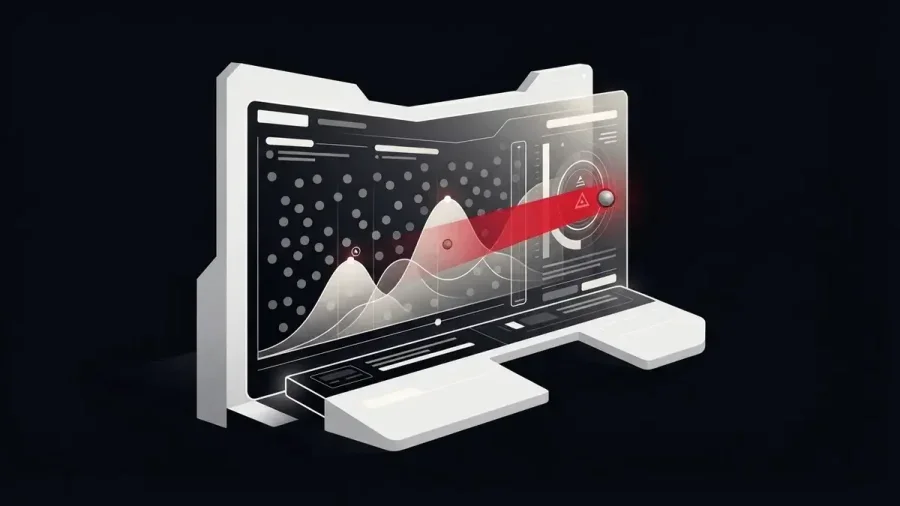
Recorded Future Enhances Alert Management with Intelligent Filtering System
Recorded Future has unveiled a new feature: AI Alert Filtering, aimed at refining the threat management process. This system promises to ease the burden on cybersecurity analysts by automatically sorting alerts based on relevance. The overarching goal? To help professionals prioritize critical alerts swiftly without losing oversight of the entire process.
As cybersecurity threats continue to grow, the task of sifting through an overwhelming volume of alerts has become a Sisyphean challenge for many organizations. Threat actors are increasingly employing AI technology to enhance their malicious activities—whether they're discovering vulnerabilities or launching fraudulent phishing schemes. This trend has led to an explosion in alert volume, making it difficult for analysts to discern which alerts require immediate attention. AI Alert Filtering seeks to counteract this growing flood of information by using AI technology in a way that reflects the tactics employed by adversaries. By filtering the noise in alert management, cybersecurity professionals can concentrate on those alerts that genuinely warrant their attention.
Initial feedback from early adopters suggests that AI Alert Filtering is effective; users have reportedly experienced an average reduction in alert volume of around 63%. However, it's essential to approach this statistic with caution. Results may significantly depend on how specific rules are set up and the contextual environment of each organization. No two environments are exactly the same, and what works brilliantly for one team might not yield the same results for another.
Enhancing Alert Prioritization
At its core, AI Alert Filtering taps into Recorded Future's sophisticated AI capabilities. The system automates the initial sorting of alerts, leveraging the Intelligence Graph® for contextual classification. This capability allows alerts to be ranked based on their relevance derived from a wide array of threat intelligence data, rather than merely on the basis of textual matches. This contextual approach is what sets it apart: it ensures that analysts are first presented with the most pertinent information, fostering a more efficient response to potential threats.
Key Features of AI Alert Filtering
- High and Low Relevance sorting: Each alert is categorized based on the predefined intent linked to its rules. The critical alerts take precedence, surfacing first for immediate attention, while less significant ones remain accessible as necessary. This enhances focus and minimizes distracting noise.
- AI-generated summaries: Alerts now come equipped with concise summaries that spotlight essential points. This feature empowers analysts to rapidly assess the urgency of various alerts, enabling quicker decision-making in fast-paced environments.
- Customizable intent settings: Users can define specific parameters for prioritization processes, enhancing clarity without completely overhauling existing rules. For instance, if your organization needs to hone in on threats aimed at “ACME Bank,” this customization sharpens the focus where it matters most.
- Optional auto-dismissal: Unrelated alerts can be automatically dismissed by AI, reducing clutter. This will not only make for a cleaner workspace but also enhance workflow efficiency. Analysts still maintain access to detailed information should they need to review it later.
- No loss of data: Unlike some competitors, AI Alert Filtering modifies visibility without sacrificing original alert data. Users can always revisit the unfiltered details within the portal for thorough reviews—an essential feature for maintaining comprehensive situational awareness.

Figure 1: Example of relevance sorting in action
Implications for Cybersecurity Analysts
The implementation of AI Alert Filtering could signify a substantial shift in how analysts approach threat management. As alert volumes continue to rise, technologies like this become vital in maintaining operational efficiency. For organizations, investing in such capabilities could mean the difference between becoming overwhelmed by alerts and developing a hierarchical alert processing that prioritizes threats effectively.
If you're working in this space, you might find the customizable settings particularly motivating. There’s potential for teams to tailor the system to their unique challenges, a flexibility that offers value in environments where threat profiles can change rapidly and unpredictably. It’s a spotlight on personalization in cybersecurity—a field often criticized for cookie-cutter solutions that fail to account for unique organizational needs.
But here's the thing: while AI Alert Filtering appears promising, it’s important not to romanticize AI as a panacea for all cybersecurity woes. Analysts must remain vigilant in their work, leveraging the technology as an assistant rather than a replacement. There’s also the risk of complacency; over-reliance on automated systems can lead to oversight if analysts become too accustomed to relying solely on AI for alert prioritization.
This is more significant than it looks at first glance. The intersection of AI in cybersecurity isn’t just about reducing alerts—it’s about fostering a deeper understanding of threats and how they evolve. While AI Alert Filtering is a step in that direction, organizations must also cultivate a culture of continuous learning and adaptation to remain effective against the ever-adapting tactics of cyber adversaries. The future of cybersecurity will depend on this equilibrium between AI advancements and human intuition.