Streamlined AI Cost Management with Google Cloud's New Features
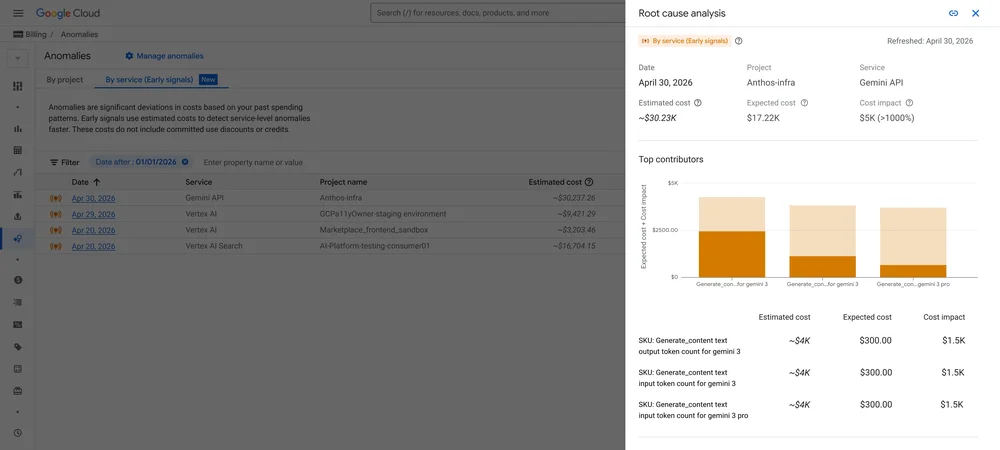
Google Cloud introduces early anomaly detection and spend caps for better AI cost oversight, enabling proactive financial management of cloud services.
Best Buy has streamlined its cloud security and user management by implementing Google Cloud's Workforce Identity Federation, simplifying access for developers.
Illinois expands its behavioral health approach by officially recognizing gambling disorder, improving treatment accessibility and public awareness.
NVIDIA's $4 million commitment to open AI infrastructure supports equitable access to critical resources for enhanced development and deployment.
A federal court's preliminary injunction halts enforcement of Minnesota's prediction market law, indicating possible federal preemption over state regulations.
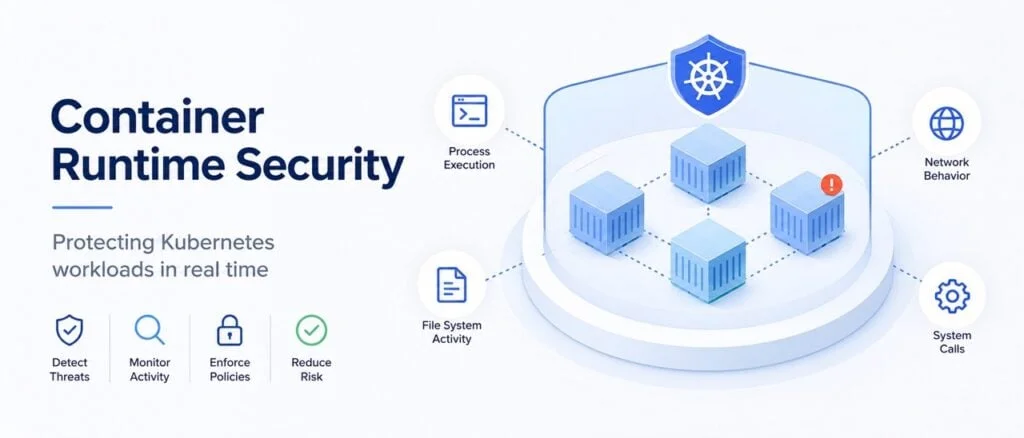
Container runtime security in Kubernetes is critical as teams often overlook vulnerabilities during runtime that can lead to major breaches.
SAP Business Data Cloud Connect for BigQuery streamlines data access, enabling organizations to leverage rich insights for AI-driven analytics.
Mandiant's research reveals that many cyber threats stem from human errors and systemic failures, prompting a shift toward resilience-focused strategies.
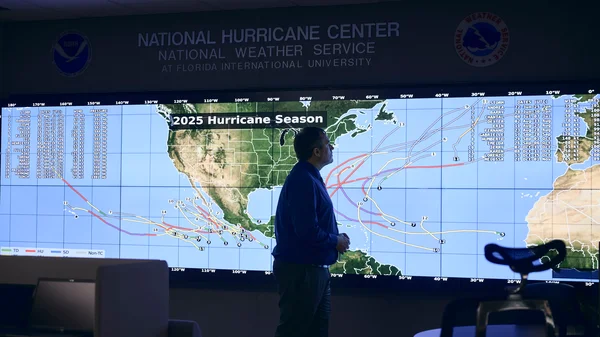
NOAA's partnership with Google Cloud marks a significant shift towards cloud-based weather forecasting, enhancing predictive accuracy and operational efficiency.
Nevada and Kalshi pause contempt proceedings to prioritize the deployment of improved geofencing technology, aiming for compliance in prediction markets.
Cloud native technology forms a strong foundation for enterprise AI, tackling vital areas like governance, observability, and security for smooth operations.
The Open Knowledge Format version 0.2 addresses data trust and reliability, enhancing how users assess information in the digital landscape.
Kata Containers 4.0 introduces a Rust-based runtime to enhance memory safety and efficiency, tailored for secure AI agent sandboxing.
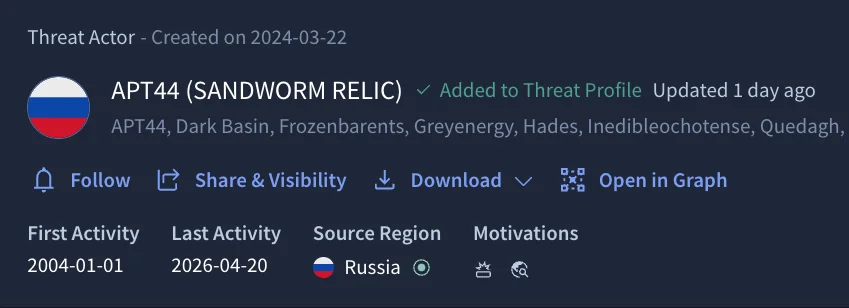
GTIG introduces a streamlined naming system to improve clarity and usability for identifying cyber threat actors, enhancing defensive strategies for cybersecurity teams.
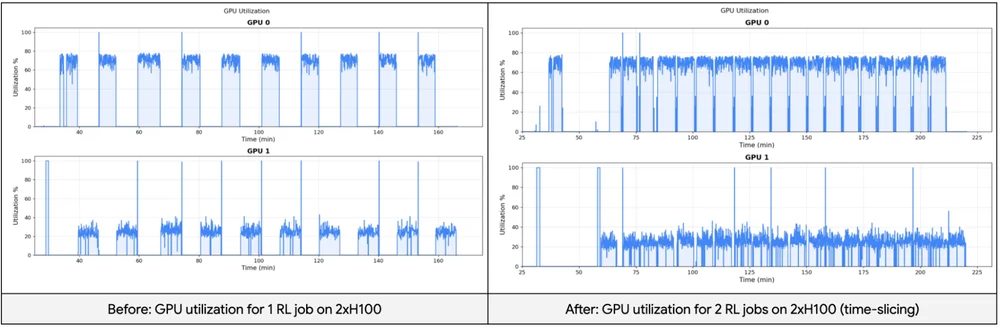
Co-operative time-slicing transforms RL operations, boosting GPU utilization from 40% to 70% and cutting ownership costs by reducing idle time.